

Car LCD Screen Pixel Loss Explained
A dashboard display does not have to fail completely to become a real problem. Car LCD screen pixel loss often starts with a few missing lines, faded numbers or broken characters on the screen, then gradually makes the display harder to read. By the time fuel data, warning messages or mileage information are partly obscured, most drivers are already dealing with a fault that needs proper repair rather than guesswork.
For some owners, it is an annoyance. For others, especially when the instrument cluster carries key vehicle information, it becomes a safety and usability issue. If you cannot clearly read warning messages, trip data, gear selection or temperature information, the fault stops being cosmetic very quickly.
What car LCD screen pixel loss actually means
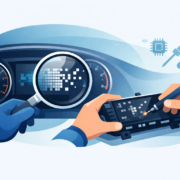
Pixel loss is the failure of parts of the LCD display to illuminate or show information correctly. Instead of a full, sharp readout, sections of letters or numbers go missing, lines drop out, or the display appears patchy and incomplete. On some vehicles the issue affects the central driver information display. On others it shows up in climate control panels, radio displays or multi-function screens.
In instrument clusters, the problem is especially common because the display sits inside an electronic unit exposed to heat cycles, vibration and age over many years. The fault can appear intermittent at first. A screen may look better when the car is cold and worse once the cabin warms up, or the opposite. That inconsistency often leads people to think the problem is minor. In reality, intermittent pixel failure is usually a sign that the display or its connections are deteriorating.
Why car LCD screen pixel loss happens
There is no single cause across every make and model. The most common issue is deterioration in the connection between the LCD panel and the circuit board. These connections can weaken over time due to heat, expansion and contraction, and general component ageing. Once that link becomes unreliable, parts of the display stop rendering properly.
Another cause is failure within the display itself. The LCD can degrade, the bonding can break down, or supporting components in the cluster can develop faults that affect how data is shown. In some cases, the backlighting is also failing, which can make the problem look worse than it is. Dim illumination and missing pixels are different faults, but they often appear together on older clusters.
Vehicle age matters, but usage matters as well. Cars, vans and motorhomes that spend long periods in strong sunlight or wide temperature swings can show display faults sooner. That said, low-mileage vehicles are not immune. Electronic components age with time, not just distance covered.
Common signs the fault is getting worse
The obvious symptom is missing parts of characters on the screen. You may notice radio frequencies, outside temperature, gear positions, service messages or mileage figures becoming difficult to read. On some dashboards, the entire display looks faint, with rows or columns of pixels missing. On others, the screen flickers or only shows properly after tapping the dash or restarting the ignition.
A more advanced stage of the fault is when sections disappear permanently. At that point, even if the unit still powers up, the display can no longer be relied on. For trade customers, this is often the point where a vehicle comes in with a customer complaint about an MOT concern, unreadable warnings or inability to verify information shown in the cluster.
If the display is deteriorating alongside gauge faults, warning light issues or total cluster failure, the fault may extend beyond the screen itself. That is why proper diagnosis matters. Replacing the wrong part wastes time and money.
Is it just cosmetic or a real repair issue?
It depends on where the faulty display sits and what information it carries. A missing radio display is inconvenient. A partially unreadable instrument cluster is a different matter. If warning messages, mileage, engine temperature, fuel range or gearbox information cannot be read clearly, the driver loses access to information the vehicle is designed to provide.
For garages and workshops, unreadable cluster displays can also complicate diagnostics and customer handover. If service messages cannot be confirmed or dashboard warnings cannot be read in full, the job becomes less straightforward than it should be.
There is also the issue of progression. Pixel loss rarely improves on its own. Once the display starts to break up, it normally continues to deteriorate.
Why replacement is not always the best answer
Main dealer replacement is often the route people hear first, but it is not always the most practical one. New instrument clusters can be expensive, and depending on the vehicle, replacement may involve coding, configuration and delays in parts supply. On some models, replacing the unit also raises concerns around retaining original mileage data and vehicle configuration.
Repairing the original unit is often the better option when the fault is confined to the display or related cluster electronics. The benefit is straightforward: you keep the original cluster, original coding and original vehicle identity within the unit, while resolving the display fault at a lower cost than full replacement in many cases.
That matters to both private owners and the trade. Drivers want the car back quickly without dealer-level bills. Garages want a dependable repair route that avoids unnecessary parts replacement and keeps customer downtime under control.
Proper diagnosis makes the difference
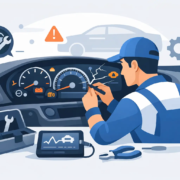
Not every unreadable display has the same root cause. A dim screen, dead backlight, communication fault, voltage issue or full cluster failure can all be mistaken for car LCD screen pixel loss at first glance. The right repair starts with identifying whether the problem is in the LCD, the ribbon connection, the board, the power supply side or the wider instrument cluster.
This is where specialist testing is valuable. Bench testing and emulator-based diagnostics can confirm whether the unit is processing and displaying data correctly, and whether the fault is isolated to the screen or part of a larger internal issue. That avoids the common trap of fitting used parts or attempting a partial fix that does not last.
On modern vehicles, especially from the late 1990s onwards, instrument clusters are not simple plug-and-play items. They are integrated electronic modules. Treating them like basic swap-over parts is often where problems begin.
Can pixel loss be repaired properly?
Yes, in many cases it can. The right repair depends on the design of the unit and the exact failure point. Some displays require replacement of the LCD section. Others need the internal connections restored or related electronic faults corrected. The key point is that a proper repair should address the root cause, not just improve the screen temporarily.
Quick fixes found on forums rarely hold up. Pressure shims, heat tricks and improvised soldering attempts can make matters worse, especially on delicate cluster boards. Once damage is done to tracks, connectors or surrounding components, a straightforward display repair can turn into a more involved job.
For that reason, most vehicle owners are better off using a specialist repair service rather than experimenting on the original cluster. The same applies to general garages that do not handle instrument electronics in-house. Sending the unit to a specialist usually saves time compared with repeated trial-and-error.
What owners and garages should look for in a repair service
The main points are diagnosis, turnaround, warranty and whether the original unit is retained. If the repairer understands cluster electronics, tests the unit properly and repairs the existing module rather than defaulting to replacement, that is usually a good sign.
Turnaround matters as well. Many customers can manage a short period off the road, but few want the car tied up for weeks over a display fault. A service built around same-day or next-working-day handling is far more practical, particularly for trade accounts trying to keep workshop schedules moving.
Warranty protection is another strong indicator of confidence in the repair. If a repair is carried out correctly, it should not be sold as a temporary patch. A lifetime warranty tied to vehicle ownership, where offered, gives reassurance that the repair is intended to last.
For UK motorists and trade customers dealing with unreadable instrument displays, Cartronix specialises in this type of original unit repair, helping avoid dealer replacement costs while keeping coding and mileage data intact.
When to act
If the display is already missing information, now is the time to deal with it. Waiting rarely makes the job easier, and if the fault spreads or the unit develops additional internal problems, the vehicle can become more inconvenient to use and more difficult to assess properly.
The sensible approach is simple: if the screen is fading, dropping pixels or becoming unreadable, have it diagnosed before it turns into a full cluster issue. A clear display is not a luxury on a modern vehicle. It is part of being able to read the car properly, trust the information in front of you, and keep the original unit working as it should.






Trackbacks & Pingbacks
[…] ways. Common examples include intermittent or failed gauges, a speedometer that reads incorrectly, pixel loss, a dim or blank LCD display, warning lights that no longer illuminate, flickering backlighting, […]
[…] ribbon cable fault can appear very similar to a failed LCD. The difference matters because replacing only the screen without repairing the underlying […]
[…] for problems such as failed speedometers, rev counters or fuel gauges; intermittent or dead gauges; pixel loss and faded LCD screens; dim, flickering or failed warning lights; backlight failure; clusters that […]
[…] the speedometer fault comes with failed fuel or temperature gauges, pixel loss, dim backlighting, warning-light faults or a blank LCD display, the cluster is the most likely […]
[…] is not the mileage itself but the fault that prevents it being displayed correctly. A dead LCD, pixel loss or failed backlighting can make owners think the mileage has been lost, when in fact the data is […]
[…] usually involves addressing failed internal components, poor solder joints, power supply faults or display-related failures, depending on the version of Focus cluster […]
Comments are closed.