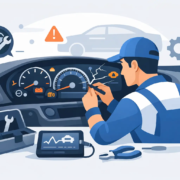

Alfa Romeo 166 LCD Pixel Repair
Alfa Romeo 166 Lcd Pixel Repair: quick repair guidance
Alfa Romeo 166 LCD Pixel Repair covers a common dashboard and instrument cluster problem. Cartronix checks the symptoms, repairs the original electronics where possible, and tests the result before return.
First, note the fault clearly. Next, check when it appears. Then, book the repair with the vehicle details. This gives the workshop useful information before the unit arrives.
Quick checks before booking
- Record the vehicle make, model, and year.
- Write down the exact dashboard warning or display fault.
- Check whether the issue appears every time you start the vehicle.
- Note any dead gauges, dim screens, pixel loss, or flashing lights.
- Tell the team if another garage opened the unit.
- Take a photo of the fault if the display still works.
- Keep the original unit with the vehicle whenever possible.
- Pack the cluster securely before posting it.
- Include your name, phone number, return address, and fault notes.
- Use tracked postage for the repair parcel.
- Contact Cartronix first if the vehicle has water damage.
- Ask for advice if the fault only appears when the vehicle warms up.
How Cartronix handles the repair
Firstly, technicians inspect the unit and confirm the reported fault. Secondly, they repair the failed components and check the circuit carefully. Finally, they test the unit before it leaves the workshop.
This approach helps drivers avoid unnecessary dealer replacement costs. It also helps garages reduce downtime, protect the original mileage data, and give customers a clearer repair option.
When the centre display in an Alfa Romeo 166 starts dropping characters, fading in hot weather or becoming unreadable at night, it is rarely the whole dashboard at fault. In most cases, alfa romeo 166 lcd pixel repair is the sensible answer – not a full replacement unit, not a coding headache, and not main dealer pricing for parts that may now be difficult to source.
Pixel failure on the 166 happens often as these units age. It usually starts as a few missing lines or broken characters on the LCD, then gradually becomes a display you can no longer trust. Time, temperature cycles and deterioration within the display connection all play a part. The result is simple enough: information that should be clear at a glance becomes patchy, dim or impossible to read.
What usually goes wrong on the Alfa Romeo 166 LCD display
Drivers normally see missing pixels, faded sections, weak contrast or text that appears complete one moment and broken the next. Some owners first notice it in warmer weather, while others find the display is poor all the time. Either way, the problem tends to worsen rather than settle down.
On the Alfa Romeo 166, the LCD assembly and its internal connections are vulnerable to age and heat. That means the issue is often within the display itself rather than elsewhere in the vehicle. The fault can look like a power problem or a wider instrument issue, but in many cases the underlying fault stays local and repairable.
That distinction matters. A proper display repair avoids original unit replacement, extra cost, unnecessary parts swapping and compatibility concerns.
Why replacement is often the wrong route
With older vehicles such as the 166, replacement is not always straightforward. A used unit may come with its own faults, including the same pixel loss that develops over time. A new unit, when available, often costs far more than the required repair.
There is also the practical side. Replacing electronic dashboard components can create avoidable complications around coding, configuration and originality. For many owners and workshops, keeping the original unit is the cleaner solution. The vehicle keeps its mileage, the original electronics stay in place, and the repair tackles the fault directly rather than working around it.
That is why alfa romeo 166 lcd pixel repair is usually the better option when the rest of the unit is functioning correctly. It is faster, more economical and far more predictable than chasing replacement parts for a model that is no longer current.
How should a proper Alfa Romeo 166 LCD pixel repair work?
A correct repair starts with confirmation of the fault. Missing pixels happen often, but a specialist still needs to check whether the display failure sits alone or points to a broader issue within the cluster or associated circuitry. Guesswork wastes time. Accurate diagnosis shortens downtime and avoids replacing parts that are not actually faulty.
Once confirmed, the repair should focus on the failed display components and their connections using the correct process for the unit. This is not the same as a temporary fix or an improvised attempt to press, heat or clamp the display back into life. Those shortcuts may produce a brief improvement, but they do not address the underlying deterioration and often lead to repeat failure.
A specialist repair keeps the original unit intact while restoring legibility to the LCD. For owners, that means the car remains original. For garages and technicians, it means a cleaner handover back to the customer with no unnecessary programming or adaptation work.
Common symptoms that point to pixel repair
In real terms, most customers contact a specialist when the display has become difficult to rely on rather than completely dead. The warning signs are usually obvious. Characters break up across the screen, sections disappear, numbers become hard to distinguish, or the display only looks readable from certain angles or at certain temperatures.
Some drivers also report that the problem is worse after the cabin has heated up, while others notice poor visibility during night driving when the display illumination should be at its clearest. If the unit still powers up but the information is incomplete or distorted, pixel repair is the first thing worth considering.
If the entire display is blank, it may still be repairable, but that can move the job beyond a straightforward pixel fault. In that situation, proper testing becomes even more important because the issue may involve power supply faults, internal component failure or communication problems elsewhere in the unit.
Why specialist testing matters
An Alfa Romeo 166 is not the vehicle for trial-and-error electronics work. By the time these cars develop display faults, they often need careful handling and accurate bench testing to separate one issue from another. A workshop that specialises in instrument and display repairs can test the unit properly, often using dedicated equipment and emulators to confirm operation outside the vehicle.
That matters to both private owners and trade customers. If you are a driver, you want the fault identified quickly and fixed once. If you are a garage, you need confidence that the display fault will not turn into an open-ended electrical investigation that ties up workshop time.
A proper diagnostic approach reduces that risk. It also gives a clearer answer on whether the job is a display repair, a wider cluster repair, or something outside the unit entirely.
Postal repair or while-you-wait
For many owners, convenience is as important as the repair itself. Postal service works well when the customer can remove the unit and send it securely for testing and repair, especially from outside the local area. It gives nationwide coverage without the need to source a second-hand replacement or leave the job unresolved.
For local customers and trade accounts, a workshop appointment may be the quicker route. Reduced downtime gives customers the main advantage. The specialist assesses, repairs and returns the unit without the delay that comes with ordering parts or sending the car through a dealer network.
That explains why motorists and trade customers use specialists such as Cartronix. The specialist treats the job as a repair service, not a parts sale, which usually means faster turnaround and lower overall cost.
What owners and garages want from the repair
The expectations are usually the same whether the booking comes from a private customer or a workshop. The display needs to be readable again, the original unit needs to stay with the car, and the repair needs to be dependable. Nobody wants a temporary improvement that fails a few weeks later.
Speed also matters. If the Alfa Romeo 166 is still in regular use, the owner wants minimal disruption. If the car is with a garage, the workshop wants the vehicle turned around quickly without tying up a bay waiting for a replacement part that may never arrive.
That is why a specialist repair service with fast turnaround and a clear warranty is the practical route. It removes uncertainty and gives the customer a straightforward answer to a very common fault.
Is repair always possible?
Usually, pixel loss on the Alfa Romeo 166 is repairable, but it depends on the condition of the unit. Previous failed repair work, physical damage, corrosion or wider circuit board faults can change the scope of the job. In some cases, the display issue is only one part of a larger cluster problem.
That does not automatically require replacement. It simply means a specialist needs to assess the unit properly before confirming the final repair path. A good specialist will say so clearly rather than promise a standard fix for every fault.
For most typical cases of missing or faded pixels, though, repair remains the most sensible option. It preserves the original electronics, avoids dealer replacement costs and gets the display working as intended without unnecessary complication.
The practical next step for Alfa Romeo 166 LCD pixel repair
If your Alfa Romeo 166 display is losing pixels, fading or becoming unreadable, leaving it alone rarely helps. The fault normally gets worse with time, and an early repair makes the display usable again without the expense of replacing the unit.
For owners, that means restoring a dashboard you can actually read. For garages, the service resolves a known fault through a specialist instead of wasting time on parts or repairs outside normal workshop scope. In both cases, the best result usually comes from repairing the original unit properly, quickly and with warranty cover behind it.
A clear display should not make Alfa Romeo 166 ownership difficult, and the right team can handle the fault properly.