Dashboard Display Repair Service Explained
When a dashboard display starts dropping pixels, fading out or going completely blank, the problem is rarely just cosmetic. A faulty screen can hide warning messages, mileage, gear position, fuel data and other information you rely on every time you drive. That is why a proper dashboard display repair service matters – not just for convenience, but for safety, diagnosis and keeping the vehicle usable without unnecessary replacement costs.
For many drivers, the first sign is subtle. A few missing lines on the LCD. A display that works when cold but fades once the cabin warms up. Dim backlighting that makes the cluster unreadable at night. In other cases the fault is more serious, with gauges dropping out, warning lamps failing, or the full instrument cluster losing communication. Whatever the symptom, the key question is usually the same: repair the original unit, or replace the whole thing?
Why repair is often the better option
In most cases, repairing the original dashboard or instrument cluster is the sensible route. A replacement unit from a main dealer can be costly, and it often brings extra complications with coding, immobiliser matching and mileage data. Even when a new unit is available, it may need programming before the car can be used properly.
A specialist repair avoids much of that disruption. Because the original unit stays with the vehicle, the coding and mileage are preserved. That matters to private owners who want a straightforward fix, and it matters just as much to garages that need to return vehicles to customers without creating fresh electronic issues.
There is also the question of turnaround. Dealer replacement can mean waiting for parts, booking programming time and paying for a complete assembly when only one section has failed. A dedicated dashboard display repair service is designed around the actual fault, which is why it is usually faster and more economical.
What faults a dashboard display repair service can fix
Not every cluster fault looks the same, and not every failure starts with the display itself. The visible symptom may be a bad LCD, but the underlying cause could sit elsewhere on the circuit board. This is where specialist diagnosis makes the difference.
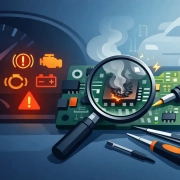
Common faults include pixel loss on central displays, dim or unreadable LCD screens, failed warning light illumination, intermittent power-up problems, non-working gauges and complete instrument cluster failure. Some vehicles suffer from poor solder joints that open up with heat cycles. Others are known for failing display ribbons, internal voltage regulation faults or processor-related issues.
On modern vehicles, especially from the late 1990s onwards, the cluster is part of a wider electronic system rather than a simple set of dials. That means guesswork is expensive. Replacing parts at random can waste time and money if the real issue sits inside the cluster electronics.
Repair versus replacement – what really changes
The difference between repair and replacement is not just the invoice total. It affects originality, coding, downtime and risk.
Repair keeps the original unit in the vehicle’s history. That means the existing mileage and vehicle configuration remain tied to the cluster already matched to the car. For owners, that removes a lot of worry. For the trade, it reduces the chance of comeback issues linked to programming or incompatibility.
Replacement can still be necessary in some cases, particularly if a unit is physically damaged beyond repair or has suffered severe electrical destruction. But that is not the starting point for most display faults. A specialist will usually assess whether the fault sits in a repairable area first, because that is often the most practical route.
How a specialist repair process works
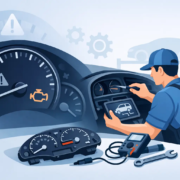
A proper repair starts with fault confirmation, not assumptions. The cluster needs to be assessed against the reported symptoms and, where necessary, tested with dedicated equipment. This is especially important for intermittent faults, because a display that briefly powers up on the bench may still fail under operating conditions.
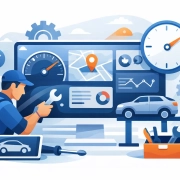
Specialist workshops use diagnostic methods that go beyond standard scan tools. Bench testing and emulator-based checks can help confirm whether the fault sits inside the cluster itself or elsewhere in the vehicle. That saves time and stops customers paying for the wrong job.
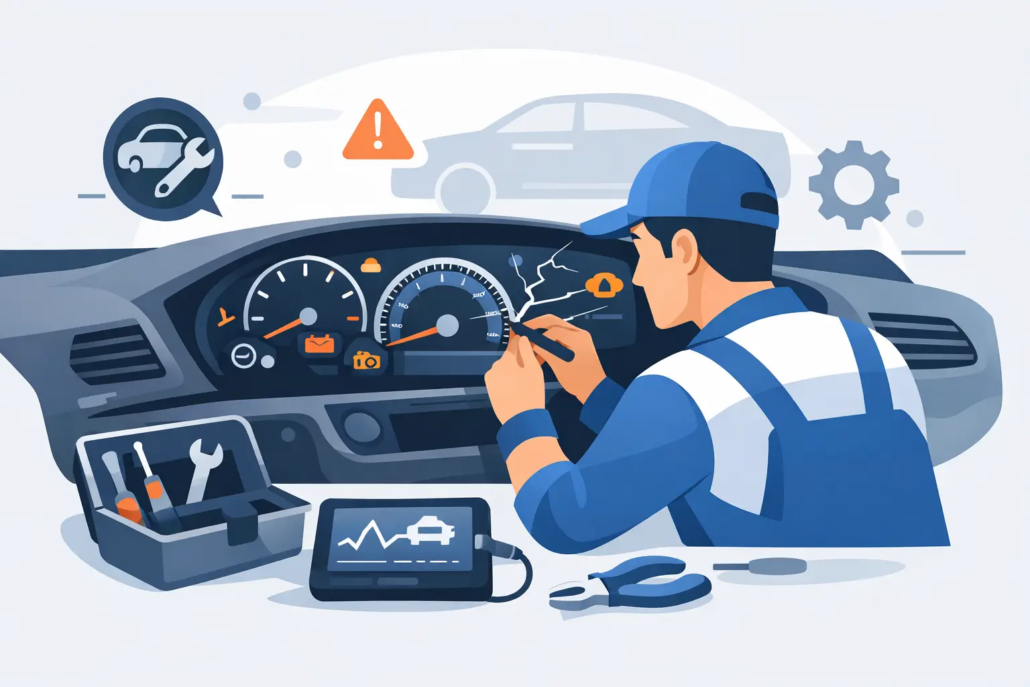
Once the issue is identified, the repair is carried out at component level where appropriate. That may involve restoring failed display connections, replacing known weak components, correcting circuit board faults or addressing backlighting failures. After repair, the unit should be retested to confirm stable operation.
For customers, the practical benefit is simple: the original cluster goes back in working order, usually much faster than sourcing and programming a replacement.
Postal repair or while-you-wait?
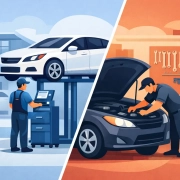
This depends on how the vehicle is used and how quickly it needs to be back on the road. For many owners and garages across the UK, postal repair is the most convenient option. The cluster is removed, sent in, repaired and returned ready to refit. That gives nationwide access to a specialist service without the need to visit a main dealer or hunt for a local electronics expert.
For others, especially when downtime must be kept to a minimum, workshop appointments make more sense. A while-you-wait or same-day booking can be ideal for busy motorists, trade customers and vehicles that are needed back in service quickly.
The right option depends on the fault, the vehicle and the customer’s schedule. What matters is that the service is built around speed and certainty, not long delays and vague diagnosis.
What motorists and garages should look for
Not all repairers offer the same level of capability. A genuine specialist should be able to deal with instrument clusters across a wide range of makes and model years, understand common known faults, and diagnose the unit properly before carrying out repairs.
Turnaround matters, but so does confidence in the result. A fast service is only useful if the repair is dependable. Clear pricing, realistic fault coverage and a proper warranty all matter. So does the ability to preserve the original unit rather than pushing replacement as the default answer.
For garages, there is another factor: support. Sending a difficult cluster job to a specialist should make workshop life easier, not harder. Reliable communication, repeatable diagnosis and predictable lead times are what make a repair partner valuable.
Why the original unit matters more than most people realise
Instrument clusters are not simple plug-and-play parts on many modern vehicles. They can store mileage information, communicate with immobiliser systems and form part of the vehicle’s wider electronic network. Swapping units can introduce coding problems or warning messages that were not present before.
That is why retaining the original cluster is often the cleanest solution. When the repair is carried out properly, the vehicle keeps its original data and configuration. There is no need to create a new problem while trying to solve the first one.
This is also one reason specialist services remain in demand across brands such as Audi, Aston Martin, Fiat, Ford and Alfa Romeo. Different manufacturers have different failure patterns, but the same principle applies: if the original unit can be repaired, it is usually the better result.
When to act on a display fault
The best time to deal with a failing display is early. A few missing pixels or an intermittent dim screen may seem manageable, but these faults often worsen. Heat, vibration and age tend to make poor internal connections deteriorate over time.
Left too long, a minor display issue can become a complete loss of information or a wider cluster failure. That is not only more inconvenient, it can make diagnosis harder if the fault becomes unstable or masks other problems. Early repair usually means less disruption and a clearer fix.
A practical route for UK drivers and trade customers
For anyone weighing up the options, the real value of a specialist service is straightforward. You get the fault assessed properly, the original unit repaired where possible, and the vehicle returned without the cost and complication of unnecessary replacement. That is why businesses such as Cartronix are used by both private owners and the motor trade – the service solves the actual problem quickly and keeps coding and mileage intact.
If your dashboard screen is fading, dropping pixels or failing altogether, the main thing is not to assume replacement is the only answer. A focused repair can often restore full function faster, at lower cost and with far less disruption. In most cases, that is exactly what owners and workshops need.