Tag Archive for: Dashboard Repair

dealer replacement versus specialist repair for instrument cluster faults

Dealer Replacement Versus Specialist Repair

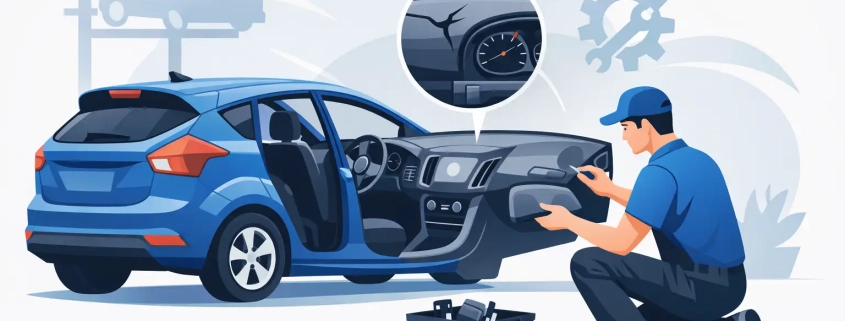
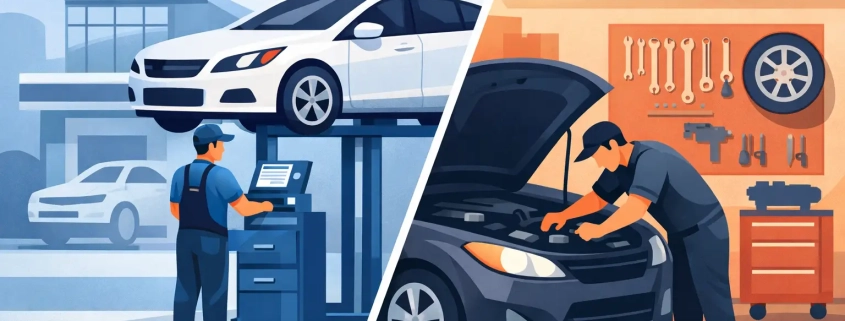
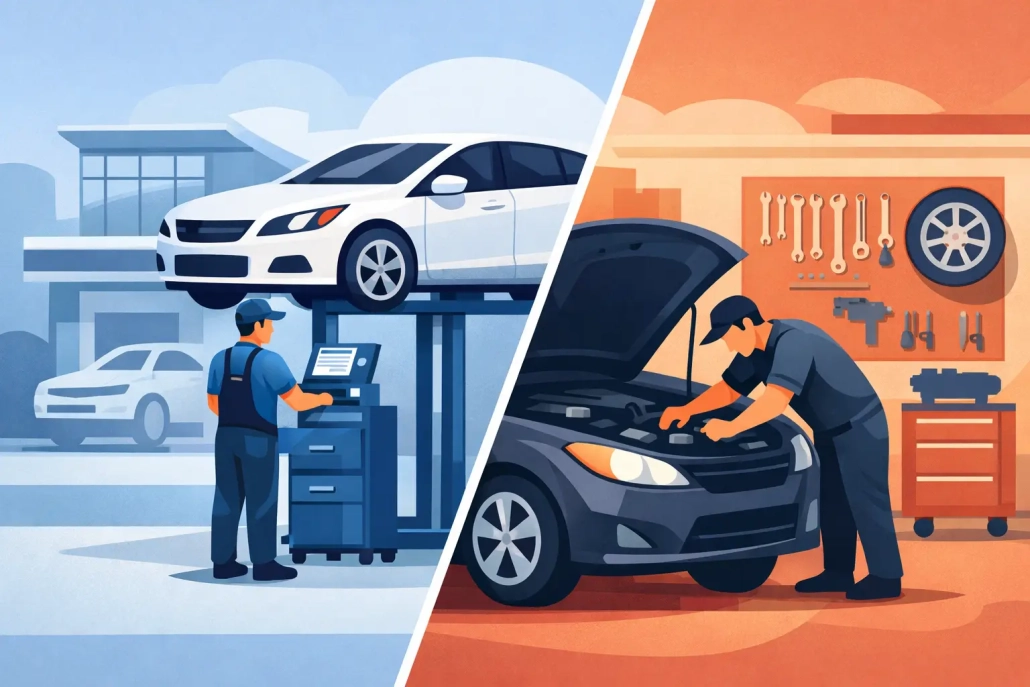
Dealer replacement versus specialist repair is one of the first decisions owners face when an instrument cluster starts to fail. A main dealer may quote for a complete new dashboard unit, but many faults only need the original cluster repaired by a specialist.

That difference matters. A faulty speedometer, dim LCD, dead gauges or warning lights that stop working do not always mean the whole cluster has reached the end of its life. Many faults sit in known display circuits, power sections, solder joints or gauge components. A repair bench can test those areas directly.
dealer replacement versus specialist repair for instrument cluster faults

Dealer replacement versus specialist repair: what changes?

A dealer replacement usually follows a parts-led route. The workshop identifies the faulty cluster, orders a new or exchange unit, books the vehicle back in and codes the replacement to the car. That process can work, but it often costs more and takes longer than customers expect.

Specialist repair starts with the original unit. The technician diagnoses the cluster at component level, repairs the failed section and bench-tests the unit before return. This approach keeps the original housing, software family, mileage data and vehicle configuration in place where the unit allows it.

Modern clusters do far more than show speed and fuel level. They link into immobiliser systems, CAN communication, vehicle options and recorded mileage. Because of that, replacing the unit can add coding, synchronisation and compatibility steps that a repair may avoid.

Dealer replacement versus specialist repair costs

Main dealers often choose replacement because it fits the manufacturer process. They can order parts, follow factory routines and code the new unit with dealer equipment. That route suits the dealer network, but it does not always give the customer the best value.

A replacement cluster charges you for the whole assembly. If the real fault is a failed backlight circuit, missing pixels, a gauge motor issue or a common display fault, a full replacement can be disproportionate. Older vehicles, imported models and less common specifications can also suffer delays while the correct part is sourced.

There is also the issue of originality. Your existing cluster already belongs to the vehicle. It has the right casing, connectors, configuration and, in many cases, stored data. Repairing it avoids many of the complications that can come with fitting another module.

Dealer replacement versus specialist repair: when repair makes sense

Specialist repair works best when the fault is known, repeatable and testable. Common examples include missing pixels, complete LCD failure, flickering illumination, intermittent needles, no ignition response, loss of communication and full cluster shutdown.

Drivers usually notice the cost saving first. You pay to fix the failed section, not to replace the entire assembly. Garages also benefit because they can keep the customer job moving without tying up a ramp or sending the customer back to the dealer.

Proper test equipment matters here. A specialist can power the unit on the bench, simulate faults and confirm whether the repair has restored function before the cluster returns to the vehicle. Guesswork creates delays. Bench testing reduces them.

Dealer replacement versus specialist repair for mileage and coding

The biggest practical difference often appears around mileage, coding and vehicle identity. With replacement, the new cluster may need immobiliser pairing, configuration, adaptation and mileage handling. The exact work depends on the make and model.

With repair, the original cluster normally stays with the vehicle. That helps preserve the original coding and recorded mileage in the same unit. For many owners and trade customers, this makes the job more predictable.

You can also cross-check recorded mileage against official records, such as the GOV.UK MOT history service, before and after repair work. That gives owners, buyers and garages another reference point when dashboard faults involve display or mileage concerns.

Dealer replacement versus specialist repair downtime and risk

Cost matters, but downtime matters too. A failed dashboard can take a private car off the road. It can also stop a van, motorhome or trade vehicle earning money.

Replacement can drag on because the part must arrive and the vehicle must return for coding. Specialist repair can move faster because the same unit comes back after testing. Postal repair and while-you-wait appointments can reduce delays further when the fault is common.

Some customers assume a new unit must be safer. That is not always true. The safer route depends on the fault, the vehicle and the provider. A diagnosed repair with clear warranty cover can carry less risk than introducing a replacement module that needs coding.

When replacement still has a place

Repair is not the answer for every failed cluster. Severe liquid damage, fire damage, heavy PCB destruction or previous failed repair attempts can make replacement more sensible. Some units also have multiple faults that push the repair beyond economical value.

The cluster may not be the root cause either. Wiring faults, low system voltage, gateway issues and other module problems can mimic a dashboard failure. A good repair decision starts with diagnosis, not assumptions.

A reliable specialist should say when repair makes sense and when it does not. That honesty protects the customer and the workshop.

Questions to ask before choosing

Before you approve a full replacement, ask what has actually failed. Has anyone confirmed the fault sits inside the cluster? Will the replacement need coding? How long will the vehicle stay off the road? What happens to mileage data? What warranty comes with each route?

Those questions make the comparison clearer. They also help you avoid comparing a cheap headline repair with a replacement quote that later adds coding, parts delays or extra diagnostic time.

For many UK motorists and garages, the practical answer is simple. If the original instrument cluster can be tested, repaired and returned with warranty, specialist repair is often the better first option.

Choosing the right repair route

Put simply, replacement buys another unit. Repair restores the unit you already have. Replacement has its place when the original cluster is beyond recovery, but it should not be the automatic first step for every dashboard fault.

Cartronix focuses on repairing original instrument clusters, LCD displays, speedometers and dashboard faults where repair is viable. Related guides on repairing the original cluster, instrument cluster repair cost and dashboard repair turnaround time can help you compare the options before booking work.

If you are facing a failed dashboard, challenge the idea that new automatically means better. The right specialist repair can be cleaner, quicker and more economical than paying for a complete unit you may not need.

What Causes Dashboard Backlight Failure?

What Causes Dashboard Backlight Failure?

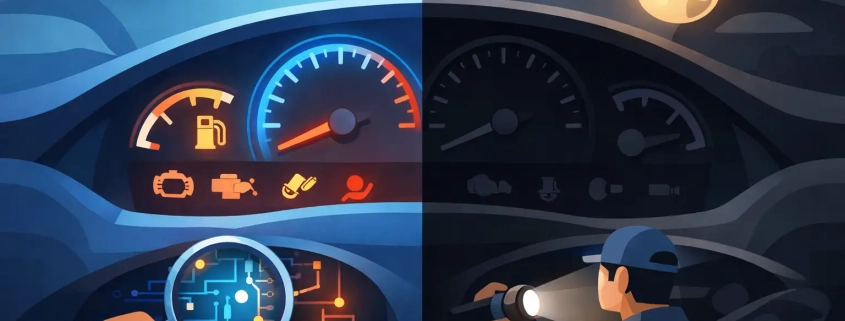
You usually notice it at the worst possible time – on a dark road, in poor weather, or halfway through an early morning commute when the speedometer and fuel gauge suddenly become hard to read. If you are wondering what causes dashboard backlight failure, the answer is rarely as simple as one blown bulb. On modern vehicles, dim or failed dashboard illumination can come from anything between a basic power supply fault and an internal instrument cluster failure.

For drivers and workshops alike, the key point is this: the backlight is only the visible symptom. The real fault may sit in the lighting circuit, the cluster electronics, or the display itself. That is why some dashboards fail gradually, some flicker for weeks, and others go dark without warning.

What causes dashboard backlight failure in modern vehicles?

Older dashboards often relied on replaceable bulbs, so a failed backlight could sometimes be traced to one simple component. From the late 1990s onwards, many vehicles moved towards more integrated instrument clusters using surface-mounted LEDs, onboard voltage regulation and delicate printed circuit boards. That changed the repair process completely.

In practical terms, what causes dashboard backlight failure today usually falls into one of three areas: failed illumination components, electrical supply issues, or internal cluster faults. The challenge is that these faults can look identical from the driver’s seat. A cluster with failing internal solder joints can appear no different to one with a separate dimmer or power feed issue.

This is where proper testing matters. Replacing the entire dashboard unit without confirming the cause can become expensive very quickly, especially when coding, mileage retention and parts availability are involved.

The most common causes of dashboard backlight failure

A failed bulb or LED is still one of the most common reasons for poor illumination, but it is not always the whole story. On some vehicles, one section of the cluster may go dim while the rest stays lit. That can point to individual component failure. On others, the entire backlight system drops out together, which often suggests a broader electrical or internal board fault.

Power supply issues are another frequent cause. Instrument clusters rely on stable voltage. If the supply to the cluster is interrupted by a blown fuse, wiring issue, poor earth or connector problem, the backlighting may stop working altogether or behave intermittently. Intermittent faults are particularly common where heat, vibration and age start to affect connections behind the dash.

The dimmer circuit can also be responsible. Many drivers assume a dark dash means the cluster itself has failed, when in fact the brightness control circuit is no longer adjusting correctly. That said, if the dimmer appears to work but the cluster remains patchy, flickers, or only comes back when tapped or when the cabin warms up, the fault is more likely inside the unit.

Internal circuit board failure is a major cause on modern instrument clusters. This can include failed resistors, damaged tracks, poor solder joints, degraded LED drivers or faults in the voltage regulation stage. These are not issues that can be solved by swapping a bulb. They require electronic diagnosis and component-level repair.

Why dashboard backlights fail gradually

Not every failure is sudden. In fact, a gradual change often tells you more about the fault than a total blackout does.

If the dashboard becomes dimmer over time, starts flickering, or works on some journeys but not others, that often points to heat-related stress within the cluster. Solder joints can weaken with repeated heating and cooling cycles. LEDs and their driver components can degrade. Connectors can develop resistance. The result is a cluster that still functions, but not reliably.

Vehicles used for frequent short journeys can show these symptoms just as much as high-mileage motorway cars. Age matters as much as mileage. A 15 to 20-year-old cluster may simply be reaching the point where electronic components are no longer operating consistently.

Moisture can also play a part, especially if the vehicle has had previous leaks, windscreen replacement issues or damp within the cabin. Even slight corrosion on connectors or circuit boards can affect backlighting performance long before the rest of the cluster shows obvious faults.

When the problem is not the backlight itself

A dark or unreadable cluster does not always mean the illumination has failed. Sometimes the display is working but the LCD panel, pixel layer or gauge face lighting is no longer visible as intended. This is common on certain makes and models where the display develops pixel loss, poor contrast or complete screen failure.

It is also possible for communication faults in the cluster to affect how the unit powers up. If the cluster has internal processor issues or unstable voltage regulation, the backlight may fail alongside gauge errors, warning light problems or intermittent total shutdown. In those cases, treating it as a simple lighting fault would miss the underlying issue.

That is why symptoms matter. A cluster that is only dark at night may have a different fault from one that also resets mileage displays, loses gauges or flashes warning lamps unexpectedly. The more complete the symptom picture, the easier it is to identify whether the fault is confined to illumination or part of a wider instrument cluster problem.

Can a fuse cause dashboard backlight failure?

Yes, it can, but not always in the way people expect. A blown fuse can cut power to the illumination circuit and leave the dashboard dark. That is one of the first things worth checking because it is quick and simple. However, if a replacement fuse blows again, there is usually another fault behind it.

Repeated fuse failure may indicate a short circuit, damaged wiring or an internal cluster issue drawing incorrect current. In that situation, fitting more fuses does not solve the problem. It only delays proper diagnosis.

Likewise, if the fuse tests fine but the backlight still fails intermittently, the issue is more likely to be connection-related or inside the cluster itself. This is why garages often need to go beyond basic checks and test the unit in a controlled way.

Why replacement is not always the best answer

Main dealer replacement can look like the straightforward option, but with instrument clusters it is often the most expensive route. Many units require coding, adaptation and mileage configuration. On some vehicles, brand new replacements are no longer available, or only supplied at a cost that makes little sense compared with repair.

Repairing the original unit has clear advantages. The vehicle keeps its own cluster, mileage and coding remain with the car, and turnaround is usually much faster than sourcing and programming a replacement. For trade customers, this also reduces workshop delays and avoids introducing second-hand units with unknown history.

It does depend on the extent of the damage. A unit with severe liquid ingress or heavy board damage may not always be economical to save. But for many backlight faults, professional repair is the sensible option because the fault sits in serviceable electronics rather than the whole cluster being beyond use.

Diagnosing what causes dashboard backlight failure properly

The right diagnosis starts with the symptoms, but it should not end there. If the backlight has failed, a proper assessment will typically consider whether the fault affects the whole cluster or one section, whether it is constant or intermittent, and whether any other dashboard functions are failing at the same time.

From there, electrical supply checks and specialist bench testing can confirm whether the issue lies outside the cluster or within it. This matters because replacing switches, fuses or dimmer controls without proof can waste time and money. Equally, condemning the cluster too early can mean missing a vehicle-side wiring problem.

For that reason, specialist instrument cluster repair is often the quickest route to a proper answer. A company such as Cartronix can test clusters using dedicated equipment and emulators, identify component-level faults and repair the original unit without dealer replacement costs.

When to get the dashboard repaired

If the dashboard backlight is flickering, partially dim, completely out, or failing alongside display and gauge issues, it is worth acting before the fault worsens. Many backlight problems start intermittently and become permanent later. Waiting can leave the vehicle harder to use safely at night and may lead to further strain on already failing components.

For independent garages and workshops, early repair also helps avoid repeat visits and uncertain fault tracing. If a known cluster fault pattern exists for a particular make or model, sending the unit to a specialist can often be faster than spending hours chasing an intermittent issue in the vehicle.

The practical takeaway is simple. Dashboard backlight failure is usually repairable, but only if the real cause is identified correctly. The sooner the fault is tested, the better the chance of a fast, cost-effective repair that keeps the original cluster in service.

A dim dashboard can look like a small annoyance until you cannot read the speedo on an unlit road. Once that starts happening, the best next step is not guesswork – it is a proper diagnosis.

Same Day Dashboard Repair Service Explained

Same Day Dashboard Repair Service Explained

When the dashboard goes wrong, the problem is rarely just cosmetic. A speedometer that drops to zero, warning lights that vanish, pixels that disappear or a cluster that goes completely dead can leave a vehicle difficult to trust and, in some cases, difficult to use. That is exactly why a same day dashboard repair service matters – it cuts downtime, avoids unnecessary replacement costs and gets the original unit working properly again without turning a straightforward fault into a long, expensive job.

For most drivers and workshops, the real frustration is not simply the fault itself. It is the usual chain of delays that follows. Dealer-only assumptions, high replacement quotes, coding concerns, back-order parts and the risk of a vehicle being off the road for days all make a bad situation worse. A specialist repair service removes those delays rather than adding to them.

What a same day dashboard repair service actually covers

A modern instrument cluster does far more than display speed and fuel level. It acts as a communication point between multiple systems in the vehicle, and when it fails, symptoms can appear in several different ways. Some faults are obvious, such as a blank screen or non-working gauges. Others are intermittent – flickering displays, warning lamps that work only occasionally, or needles that stick and then suddenly come back to life.

A proper same day dashboard repair service usually covers faults including failed or dim LCD displays, pixel loss, speedometer faults, rev counter issues, gauge failures, warning light problems and full cluster power loss. On many vehicles from 1996 onwards, specialists can repair these faults within the original unit rather than fitting a replacement dashboard.

That point matters. Keeping the original cluster often means the vehicle retains its existing mileage data and coding, avoiding the complications that can come with replacement parts. For owners, that means less disruption. For garages, it means a cleaner job with fewer programming headaches.

Why repair is often better than replacement

Replacement sounds simple until the quote arrives. On many vehicles, a dealer-supplied dashboard or instrument cluster costs far more than the actual fault justifies. In some cases, technicians already know the weak point on the circuit board or display assembly, yet the dealer route still suggests a complete replacement unit.

Repair is often the more sensible option because it addresses the failed area directly. That keeps costs down and preserves originality. It also reduces delays caused by sourcing new parts, coding them to the vehicle and dealing with compatibility issues.

There are trade-offs, and it depends on the condition of the unit. If a dashboard has severe liquid damage, fire damage or clear signs of previous poor repair work, the job may be more involved. But for the majority of common faults, specialist repair is the faster and more economical route.

How same-day turnaround works in practice

Same-day service only helps when the workshop organises the process properly. In a specialist workshop, technicians remove the unit or receive it by post, book it in, test it with dedicated equipment and trace the fault before they repair it. Technicians then re-test the repaired cluster, often under emulator control, to confirm they have resolved the original issue properly.

That testing stage is one of the key differences between specialist repair and guesswork. A dashboard fault can sometimes mimic another problem in the vehicle, and the reverse is also true. Good diagnostics help separate a genuine internal cluster failure from wiring, voltage supply or communication faults elsewhere.

For local customers, while-you-wait appointments can make sense where access and workload allow. For customers elsewhere in the UK, postal repair offers national coverage without requiring a long journey or dealer booking. When the workshop sets the service up well, same-day or next-working-day turnaround is realistic for many common instrument cluster faults.

Same day dashboard repair service for motorists

For private vehicle owners, the biggest concern is usually confidence. If the dash is failing, can the vehicle still be driven safely, and how quickly can it be fixed without overpaying? A same day dashboard repair service directly addresses that concern. It gives a clear route from fault to repair, without the uncertainty of replacement pricing or long workshop delays.

This is particularly useful for people who rely on one vehicle for commuting, school runs or business use. A dead display in a weekend car is inconvenient. A dead display in the van you need tomorrow morning is a much bigger problem.

The most common questions are straightforward. Will the original mileage stay intact? In most repair cases, yes, because technicians repair the original unit rather than swapping it. Will the job be cheaper than dealer replacement? Very often, significantly so. Will it last? That depends on repair quality, but a lifetime warranty tied to vehicle ownership offers the level of reassurance most customers are looking for.

Why garages and dealerships use specialist support

Independent garages and main dealers do not always want to tie up workshop time chasing internal dashboard faults. Mechanical diagnosis and general servicing are one thing. Specialist electronics repair is another. Sending the unit to a dedicated repair specialist is often the most efficient option for both the workshop and the customer.

For the trade, speed matters just as much as price. A vehicle sitting in a bay with an unresolved cluster issue wastes workshop space. A dependable same day dashboard repair service allows garages to get an accurate diagnosis, predictable turnaround and a repair that keeps the original unit in place.

It also helps avoid the risk of fitting used parts of unknown history. A second-hand dashboard may appear to be a cheaper shortcut, but it can introduce compatibility issues, coding problems and mileage discrepancies. In practice, that often turns into more labour, more customer queries and less confidence in the final result.

What to expect from a proper repair process

A credible repair service should be clear about what happens next. The team should identify the fault, explain the likely turnaround and state the warranty up front. Clear pricing, including VAT, helps customers and garages make a quick decision.

A proper repair team should not treat the job as quick soldering with fingers crossed afterwards. Modern clusters need controlled bench testing before and after the work. After a speedometer repair, the team should prove the fault has gone. After a display repair, the team should check brightness and pixel integrity properly. When the cluster has communication faults, the test process should reflect that.

This is why specialist equipment matters. Emulator-based testing lets technicians assess the unit outside the vehicle in a way that mirrors real operation. It saves time, but more importantly, it improves confidence that the repaired dashboard will perform as expected once refitted.

When same-day repair may not be the right fit

Sometimes same-day service cannot solve the whole problem. If the vehicle has a wider network fault, battery voltage issue, water ingress problem or wiring damage, the instrument cluster may only be part of the story. In those situations, repairing the dashboard is still important, but it needs to sit within proper diagnosis of the vehicle as a whole.

Likewise, some rare clusters, heavily damaged units or jobs with multiple previous repair attempts can require more time. A good specialist will say so plainly rather than promising impossible turnaround. Fast service only has value when the team completes the repair properly.

Choosing the right specialist

If you are comparing options, look for a service that focuses specifically on instrument clusters and dashboard electronics rather than offering it as an occasional add-on. Experience across makes and models matters because the failure patterns on an Audi cluster are not necessarily the same as those on a Ford, Fiat, Aston Martin or Alfa Romeo unit.

You also want evidence of a process, not just a promise. Same-day or next-working-day turnaround, postal coverage, while-you-wait options, specialist diagnostics and a meaningful warranty all point to a repair business that understands what customers actually need. Cartronix works around that model, which is why the service suits both individual motorists and the trade.

A dashboard fault can feel like the start of an expensive headache, but in many cases it is a repairable electronic issue with a straightforward solution. The right specialist service keeps the original unit, keeps downtime under control and gets the vehicle back to doing its job. If your cluster is failing, the most useful next step is not to price up a replacement – it is to find out whether the original can be repaired quickly and properly.

Ford Focus Dashboard Repair Example

Ford Focus Dashboard Repair Example

A Ford Focus dashboard can fail in ways that look far worse than they are. If you are searching for a Ford Focus dashboard repair example, the usual pattern is familiar – dead gauges, warning lights behaving oddly, a blank or dim display, or an intermittent cluster that comes back to life after a bump in the road. In many cases, the fault sits within the instrument cluster itself, which means repair is often the sensible route rather than replacing the whole unit.

For Focus owners and garages alike, the key question is not just what has stopped working. It is whether the original dashboard can be repaired quickly, without dealer-level replacement costs, and without creating extra issues around mileage, coding or vehicle downtime. On this type of job, the answer is often yes.

A typical Ford Focus dashboard repair example

A common Ford Focus case starts with intermittent failure. The customer may report that the speedometer drops to zero, the rev counter sticks, the warning lights flicker, or the LCD display becomes unreadable. Sometimes the dashboard powers up normally on a cold start, then fails once the car has warmed through. In other cases, the entire cluster goes dead without warning.

On the vehicle side, these symptoms can easily be mistaken for a battery problem, a wiring issue or a wider electrical fault. That is why proper diagnosis matters. A failed dashboard is not always completely dead, and partial function can send garages in the wrong direction if the cluster is not tested properly.

In a typical repair example, the unit is removed from the vehicle and assessed on the bench using specialist test equipment and emulators. This allows the fault to be reproduced outside the car and helps separate a genuine instrument cluster fault from a vehicle-side issue. Once confirmed, the repair usually involves addressing failed internal components, poor solder joints, power supply faults or display-related failures, depending on the version of Focus cluster involved.

The important part is that the original unit is retained. That means the dashboard already matched to the vehicle can usually be repaired and returned, rather than replaced with a second-hand or new unit that then raises coding and compatibility questions.

Common Focus dashboard faults we see

A Ford Focus instrument cluster can fail in several different ways, and the exact fault often depends on age, model year and cluster design. Some units suffer from complete power loss. Others develop gauge faults where one or more needles stop responding properly. Display issues are also common, especially where the screen dims, loses segments or becomes unreadable in normal daylight.

Warning light faults are another regular issue. A customer may report that certain tell-tales no longer illuminate, while others stay on when they should not. In some cases the cluster works intermittently, which is often the most frustrating fault because it can disappear during basic checks and return later.

Communication problems can also be tied to the dashboard. If the cluster is not processing or displaying information correctly, the vehicle may appear to have more than one electrical issue at once. This is where experience with these units makes a real difference. Replacing parts based on guesswork tends to get expensive quickly.

Why these faults are often repairable

Most Focus dashboard failures come down to known electronic faults within the unit rather than physical damage that makes repair impossible. Age, heat cycles, vibration and component wear can all take their toll over time. The good news is that this kind of failure is usually exactly what specialist repair is designed for.

Repairing the existing cluster keeps the original electronics architecture in place. That matters because replacement clusters can create new problems, especially where immobiliser pairing, mileage discrepancies or variant coding come into play. A repair approach is often faster, cleaner and more cost-effective.

Repair or replacement – what makes more sense?

For many owners, dealer replacement sounds like the safe option until the price comes through. A new cluster can be costly, and that is before coding, setup and potential delays for parts availability are added. On older Focus models, a brand-new unit may not even be the most practical answer.

A used replacement can look cheaper on paper, but it comes with risks. You do not always know the history of the donor unit, whether the internal fault is already developing, or whether it will code correctly to the vehicle. Mileage and configuration issues can turn a simple-looking swap into a longer job.

Repairing the original dashboard is often the better choice because it preserves what is already matched to the car. Mileage and coding remain with the original unit, and the fault is addressed at source. For trade customers, that also means fewer unknowns and a more predictable result.

When replacement may still be needed

There are cases where repair is not the right route. Severe liquid damage, burnt tracks beyond viable recovery, major casing destruction or previous poor-quality tampering can all change the picture. The point is not to claim every cluster is repairable regardless of condition. It depends on the fault, the extent of damage and whether the unit has already been compromised.

That said, many dashboards that have been written off elsewhere can still be repaired once properly tested by a specialist.

What the repair process usually looks like

With a Ford Focus dashboard repair example, the process should be straightforward. First, the cluster fault is identified based on the symptoms and, where needed, tested to confirm that the dashboard is the actual cause. Once the unit is removed, it can be bench tested under controlled conditions.

After diagnosis, the repair is carried out on the original cluster. That may involve component-level work, rectifying known weak points, restoring display function or resolving intermittent operation. The repaired unit is then retested to make sure gauges, warning lights, display functions and communication behave as they should.

For customers, speed matters almost as much as accuracy. This is why specialist dashboard repair services are built around same-day or next-working-day turnaround wherever possible. For a daily driver or a workshop with a ramp tied up, that reduced downtime makes a real difference.

Why proper testing matters on a Focus cluster

One of the biggest mistakes with dashboard faults is assuming the cluster is at fault without proving it, or assuming it is not at fault because it works briefly during inspection. Intermittent electrical issues can waste hours if they are not approached methodically.

Bench testing with the right equipment allows the dashboard to be checked in a way that is difficult to achieve in the vehicle alone. This is particularly useful where the problem only appears under certain conditions or where multiple symptoms overlap. It also helps garages avoid unnecessary replacement of batteries, alternators, control modules or wiring sections when the real issue sits inside the cluster.

For trade customers, that confidence is essential. You need to know the unit you are refitting has been properly tested and the original fault has been dealt with, not just temporarily masked.

A practical Ford Focus dashboard repair example for owners and garages

Take a Focus with an intermittent blank dashboard, non-working speedometer and warning lamps flickering at random. The owner may have already replaced the battery and checked fuses, with no lasting fix. A garage may even suspect a body control issue because the symptoms appear inconsistent.

Once the cluster is removed and bench tested, the fault is traced to the dashboard itself. Internal electronic failure is causing unstable operation across multiple functions. The original unit is repaired, tested again, and returned ready to refit. The vehicle regains normal gauge operation, stable warning light behaviour and a readable display, without needing a dealer-supplied replacement cluster.

That is the value of specialist repair in real terms. It is not just about saving money, though that matters. It is about getting to the actual fault quickly and putting the original part back into reliable service.

What to look for from a repair service

If you are booking this type of work, look for a service that understands instrument clusters specifically rather than general auto electrics alone. The difference shows up in diagnosis, turnaround and confidence with model-specific faults. You also want clear pricing, proper testing and a warranty that reflects the quality of the repair.

For a Ford Focus dashboard issue, retaining the original unit should be a priority wherever possible. That keeps things simpler and usually avoids the headaches that come with replacement coding. A service such as Cartronix is built around that exact approach – repair the original cluster, keep downtime low and return a tested unit with lifetime warranty cover tied to vehicle ownership.

For owners, the main benefit is getting the car back on the road without paying dealer replacement costs. For garages, it is having a dependable specialist option when a cluster fault falls outside normal workshop repair.

If your Focus dashboard is failing, the best next step is not guesswork. It is proper diagnosis followed by repair of the original unit where viable. That usually gives the quickest route back to a working dashboard, with less cost and fewer complications than replacement.

Failed Gauge Cluster Symptoms guide image

8 Failed Gauge Cluster Symptoms to Watch

Failed Gauge Cluster Symptoms: quick repair guidance

8 Failed Gauge Cluster Symptoms to Watch covers a common dashboard and instrument cluster problem. Cartronix checks the symptoms, repairs the original electronics where possible, and tests the result before return.

First, note the fault clearly. Next, check when it appears. Then, book the repair with the vehicle details. This gives the workshop useful information before the unit arrives.

Quick checks before booking

  • Record the vehicle make, model, and year.
  • Write down the exact dashboard warning or display fault.
  • Check whether the issue appears every time you start the vehicle.
  • Note any dead gauges, dim screens, pixel loss, or flashing lights.
  • Tell the team if another garage opened the unit.
  • Take a photo of the fault if the display still works.
  • Keep the original unit with the vehicle whenever possible.
  • Pack the cluster securely before posting it.
  • Include your name, phone number, return address, and fault notes.
  • Use tracked postage for the repair parcel.
  • Contact Cartronix first if the vehicle has water damage.
  • Ask for advice if the fault only appears when the vehicle warms up.

How Cartronix handles the repair

Firstly, technicians inspect the unit and confirm the reported fault. Secondly, they repair the failed components and check the circuit carefully. Finally, they test the unit before it leaves the workshop.

This approach helps drivers avoid unnecessary dealer replacement costs. It also helps garages reduce downtime, protect the original mileage data, and give customers a clearer repair option.

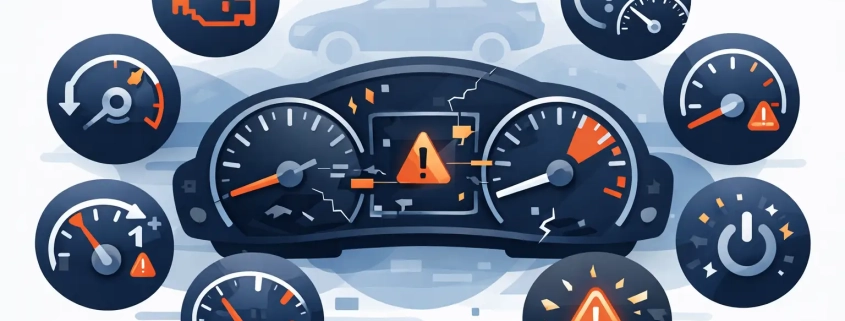
A dashboard rarely fails all at once. More often, it starts with small, easy-to-dismiss faults – a flickering display on a cold morning, a speedometer that drops to zero for a few seconds, or warning lights that stay dark during ignition. Those early failed gauge cluster symptoms matter because they usually point to an internal fault that gets worse over time.

For drivers, that means lost vehicle information and rising inconvenience. For garages, it means a fault that can be mistaken for sensors, wiring or control module issues if the cluster is not properly assessed from the start. Knowing what to look for helps you decide whether the vehicle needs further diagnosis, repair of the original unit or immediate attention before it becomes a complete no-start or communication problem.

What a gauge cluster actually controls

On most vehicles from the late 1990s onwards, the instrument cluster is more than a set of dials. It acts as an electronic module that receives, processes and displays data from across the vehicle. Depending on the make and model, it may handle speed, revs, fuel level, coolant temperature, warning indicators, LCD information, immobiliser functions and communication with other control units.

That matters because a cluster fault does not always look like a simple display problem. A failed unit can create symptoms that seem unrelated at first, especially on vehicles where the dashboard is part of the wider data network. In some cases the issue is isolated to the display or gauges. In others, the cluster can affect vehicle start-up, mileage display, warning lamp operation or communication with diagnostic equipment.

Failed gauge cluster symptoms drivers notice first

1. Gauges that stop working, stick or read incorrectly

This is usually the symptom that gets noticed first. The speedometer may drop out while driving, the rev counter may freeze, or the fuel and temperature gauges may behave erratically. Sometimes the needles stick in one position and then suddenly wake up again. In other cases, the readings drift and become unreliable rather than failing outright.

That inconsistency is often a clue that the problem is inside the cluster rather than with the gauge sender itself. A faulty fuel sender, for example, tends to affect one reading. When several gauges become intermittent together, the instrument cluster becomes a much more likely suspect.

2. LCD, pixel or display failure

Faded screens, missing segments, lines through the display or complete screen blackout are classic cluster faults. This is common on many European vehicles where the centre display shows mileage, outside temperature, warning messages or trip information.

Pixel loss often starts as a nuisance and then spreads. If the mileage display, service messages or fault warnings become unreadable, the cluster is no longer doing its basic job properly. On some vehicles, a dim display may still be visible in certain light conditions, which can make the issue seem minor when it is actually a sign of worsening internal failure.

3. Warning lights that do not illuminate properly

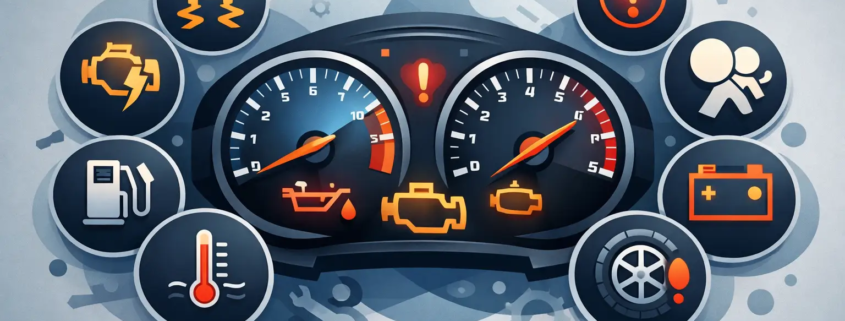
A failed cluster can cause warning lights to remain off, stay on constantly or flicker when they should not. This includes indicators for battery charge, engine management, ABS, airbag and other safety-critical systems.

The detail matters here. If warning lamps do not illuminate during ignition self-check, that is not something to ignore. It may be a cluster fault rather than a fault with the individual system, and it can leave the driver without proper warning of genuine issues.

4. Intermittent power loss to the dashboard

One of the more obvious failed gauge cluster symptoms is when the whole dashboard cuts out and then comes back. Needles drop to zero, displays go blank and warning lights disappear, sometimes only for a moment. This may happen over bumps, during temperature changes or completely at random.

Intermittent faults like this are often caused by failing internal components, dry joints or power supply issues within the unit. They can be difficult to pin down without specialist testing because the fault may not be present when the vehicle is inspected.

Less obvious signs of a failing instrument cluster

5. The cluster works only when warm, cold or after tapping the dash

This is a common pattern and a useful diagnostic clue. If the dashboard behaves differently depending on cabin temperature, or starts working after the vehicle has been running for a while, internal electronic failure is a strong possibility.

The same goes for units that briefly return to life after the dash is tapped or after the ignition is cycled. That does not mean the problem has gone away. It usually means there is a poor internal connection or component fault that is becoming more advanced.

6. Mileage, clock or trip data resets itself

If the odometer display disappears, the clock keeps resetting or trip information clears unexpectedly, the cluster may be losing stable internal power or memory retention. This can present as an occasional glitch at first and then become more frequent.

For owners, this is frustrating. For workshops, it is a warning sign that the cluster may be failing at board level rather than just suffering from a cosmetic display issue. Where mileage and coding are stored in the original unit, replacement is rarely the first choice unless repair is not viable.

7. Communication faults and diagnostic issues

Modern instrument clusters often sit on the vehicle network, so a failing unit can interfere with communication. A diagnostic machine may report no communication with the cluster, intermittent module faults or implausible data shared with other systems.

This is where the job can go off course if the cluster is not considered early enough. Garages may understandably look at CAN wiring, ignition supply, body control modules or related sensors first. Sometimes that is correct. But if the dashboard also has display faults, dead gauges or random resets, the cluster deserves closer attention.

8. Non-start or immobiliser-related symptoms on some models

Not every vehicle will do this, but on certain makes the cluster is tied into immobiliser or key recognition functions. When the unit fails, the car may not start, may start and cut out, or may show immobiliser warnings on the display.

This is one of the reasons replacing the cluster outright is not always the sensible first move. Coding, vehicle configuration and mileage integrity all need to be considered. In many cases, repairing the original unit is the cleaner and more economical route.

Why these faults are often misdiagnosed

Instrument cluster faults can mimic several other problems. A dead speedometer may be blamed on an ABS sensor. A flickering dash may be blamed on the battery. Warning lamp behaviour may be mistaken for a separate control unit fault. Sometimes those diagnoses are correct, but not always.

The pattern of failure usually tells the real story. Multiple symptoms across gauges, displays and warning lights point more strongly to the cluster itself than to a single sender or sensor. Intermittent operation is another clue. So is a fault that worsens gradually rather than appearing as a clean, permanent failure from one day to the next.

For trade customers, this is where specialist bench testing earns its keep. A proper assessment can separate a genuine cluster failure from a wiring or vehicle-side issue before unnecessary parts are fitted.

When to stop driving and get it checked

It depends on which functions have failed. If the display has minor pixel loss but all gauges and warning lights still work correctly, the vehicle may remain usable in the short term. If the speedometer is dropping out, warning lights are missing, or the dashboard cuts out completely while driving, it needs attention sooner rather than later.

The same applies if the vehicle has starting issues linked to the cluster or if diagnostics cannot communicate properly with the unit. At that point, the fault has moved beyond annoyance into reliability and safety territory.

Repair or replace?

Dealer replacement is often the most expensive path, and on many vehicles it also brings coding, mileage transfer and availability concerns. A new unit may need programming, may not be available quickly, or may still require additional setup before the car is usable again.

Repairing the original cluster usually makes more sense when the fault is internal and the housing, coding and mileage data can be retained. That keeps the vehicle original, avoids unnecessary replacement costs and typically reduces downtime. For many common faults – failed gauges, dim displays, dead warning lamps, pixel issues and intermittent power loss – specialist repair is the practical option.

Cartronix deals with these faults every day across a wide range of cars, vans and motorhomes, with postal repair and workshop options for customers who need a faster alternative to replacement.

What to do if you recognise these failed gauge cluster symptoms

Do not wait for a complete failure if the signs are already there. Note exactly what the dashboard is doing, when it happens and whether the fault affects one function or several. If possible, check whether the warning lamps perform their normal ignition test and whether the issue changes with temperature or vibration.

That information helps narrow the fault down quickly and avoids chasing the wrong diagnosis. A failing cluster rarely fixes itself, but it often gives you warning before it stops completely. Catching it at that stage usually means a simpler, faster path back to a fully working dashboard.

Dashboard Repair Services guide image

Dashboard Repair Services That Save Time

When a dashboard starts flashing, fading or stops working altogether, the problem is rarely just an annoyance. A failed speedometer, dead LCD, warning light fault or full instrument cluster blackout can make the vehicle harder to use, harder to trust and, in some cases, unsuitable to drive. That is why dashboard repair services matter – not as a cosmetic fix, but as a practical alternative to expensive dealer replacement.

For most drivers and workshops, the first surprise is cost. Main dealers often default to replacing the entire cluster, which can be expensive, slow and unnecessary. In many cases, the original unit can be repaired properly, tested and returned quickly, with the mileage and coding preserved. That changes the decision completely. Instead of paying for a new part and the programming that comes with it, the focus shifts to fixing the actual fault.

What dashboard repair services actually cover

The term gets used broadly, but proper dashboard repair services are usually focused on the instrument cluster and its electronics. That includes speedometer faults, rev counter issues, intermittent gauges, failed warning lamps, dim backlighting, dead sections of the display, pixel loss and complete cluster failure. On newer vehicles, communication faults can also be part of the problem, especially where the dash is no longer reading correctly from the vehicle network.

Some faults are obvious from the start. A display may be unreadable in daylight, the fuel gauge may stick, or the needles may behave erratically. Others are more intermittent. The cluster may fail when cold, reset itself after a few minutes, or lose functions only when the vehicle has been running for a while. Those jobs need more than guesswork. They need proper testing and fault confirmation before any repair starts.

This is where specialist electronics repair differs from general workshop diagnosis. A mechanical garage may confirm that the cluster is at fault, but repairing it at board level is a separate discipline. The value is not simply in fitting parts. It is in knowing where these units fail, how to test them accurately and how to return the original dashboard working as it should.

Why repair is often better than replacement

Replacement sounds simple until the practical details arrive. New clusters are commonly expensive, not always in stock and may require coding, mileage alignment or security matching to the vehicle. On some models, availability is also a problem, particularly as cars age and genuine parts become harder to source.

Repair avoids much of that. Because the original unit stays with the vehicle, there is no need to replace it with a blank or mismatched cluster. Mileage data and coding can remain intact, which matters to owners and to the trade. It also avoids the awkward situation where a replacement part solves one issue but introduces another through compatibility or configuration differences.

There is a trade-off, of course. Not every unit is repairable, and not every fault sits inside the cluster itself. Power supply issues, wiring faults and vehicle-side communication problems can mimic dashboard failure. A good repair service should be honest about that. If the fault is elsewhere, replacing or repairing the cluster will not fix the car. Proper diagnosis comes first.

Where the cluster is confirmed as the cause, repair is usually the faster and more economical route. For vehicle owners, that means less downtime and no dealer replacement costs. For independent garages and dealerships, it means the job can be completed without tying up a bay for days waiting on parts.

Common faults seen in modern instrument clusters

Modern dashboards from roughly 1996 onwards are far more electronic than many drivers realise. The cluster is not just a set of needles anymore. It is a control and information unit, often carrying warning systems, trip data, immobiliser-related functions and display communication. That added complexity is exactly why certain failures keep appearing across different makes and models.

Pixel loss is one of the most familiar. Characters disappear, parts of the screen fade or the display becomes unreadable when warm. Backlighting faults are another regular issue, especially when the warning icons or LCD become too dim to read at night. Gauge problems are equally common, with speedometers, fuel gauges or temperature needles giving false readings or dropping out altogether.

Then there are full failures. The cluster may go dead, reboot randomly or stop communicating with the vehicle. On some cars this can trigger additional symptoms, from immobiliser concerns to warning lights appearing for no clear reason. These faults can look dramatic, but they are often repairable when handled by a specialist with the right test equipment.

How a specialist dashboard repair service works

A proper process is straightforward. First, the fault is identified as accurately as possible based on the vehicle details, symptoms and known failure patterns. Then the cluster is removed and sent in, or booked in for a workshop appointment. Once received, the unit is tested, repaired at component level where needed and checked again before return.

The important part is the testing. Specialist services use dedicated bench setups and emulators to reproduce faults and confirm that the unit performs correctly outside the vehicle. That matters because many dashboard issues are intermittent. If a unit is not properly stress-tested, it may appear fixed on the bench but fail again after refitting.

Turnaround also matters. Most customers are not looking for a long engineering project. They want the vehicle back in service. That is why same-day or next-working-day repair is such a strong advantage when the fault is known and the unit is repairable. Postal coverage helps drivers nationwide, while-you-wait workshop appointments suit customers who need the quickest possible resolution.

Dashboard repair services for motorists and trade

Private owners and trade customers tend to want the same outcome – a reliable repair without unnecessary replacement – but they approach the problem differently.

For motorists, the main concerns are usually cost, speed and trust. They want to know the fault has been seen before, the repair will hold, and the car will not come back with mileage or coding issues. A clear warranty helps here because it removes uncertainty and gives the customer confidence that the job has been done properly.

For garages and dealerships, the focus is more operational. They need dependable diagnosis, fast turnaround and a specialist partner who can handle work outside normal mechanical scope. Sending clusters away for repair often makes better business sense than trying to source replacement units or spending workshop time chasing faults that need electronics expertise.

That is why service structure matters. A business such as Cartronix is built around that specialist role – repairing original instrument clusters quickly, covering customers nationally by post and supporting trade accounts with practical turnaround expectations.

When to book dashboard repair services

If the fault is intermittent, many people wait too long. They assume a flickering display or occasional gauge drop-out can be ignored until it becomes permanent. Sometimes that works for a while, but electronic faults usually progress rather than disappear. Heat cycles, vibration and failing internal components tend to make symptoms more frequent over time.

The best time to act is when the pattern becomes noticeable. If the display fades every morning, if the warning lights are too dim to read, or if the speedometer starts behaving erratically, get the cluster checked before it fails completely. Early action can reduce inconvenience and helps avoid the wider confusion that comes when multiple dashboard functions stop at once.

It also helps to describe the fault clearly. Does it happen from cold, after driving, only in wet weather, or only when lights are switched on? Those details can make diagnosis quicker and more accurate.

What to look for in a repair provider

Not all repair services are equal. The right provider should understand model-specific failures, test units properly and explain the likely outcome without overpromising. Fast turnaround is useful, but only if the repair is done properly. Equally, a low headline price means little if the unit comes back with the same fault.

Look for a service that repairs original units rather than pushing replacement by default, offers clear pricing including VAT, and provides a meaningful warranty. Experience across a wide range of makes is valuable because dashboard faults are rarely identical from one manufacturer to another. Audi problems are not the same as Ford problems, and motorhome clusters can present different challenges again.

A lifetime warranty tied to vehicle ownership is also a strong sign of confidence. It tells the customer that the repair is expected to last, not just get through the next few weeks.

When your dashboard stops doing the one job it absolutely has to do – giving you clear, reliable information – the right repair is usually quicker and simpler than most people expect. The key is choosing a specialist who can diagnose the fault properly, repair the original unit and get the vehicle back on the road without turning a repairable problem into an expensive replacement.

Common Instrument Cluster Faults guide image

10 Common Instrument Cluster Faults

A dashboard fault rarely starts with a dramatic failure. More often, it begins with a flickering display on a cold morning, a speedometer that drops to zero for a few seconds, or warning lights that are too dim to read properly at night. These common instrument cluster faults are easy to ignore at first, but they usually get worse with time and can leave you without reliable vehicle information when you need it most.

For drivers, that means uncertainty over speed, fuel level, temperature or critical warning messages. For garages, it can mean wasted workshop time if the fault is mistaken for a sensor, wiring or control module issue elsewhere on the vehicle. The instrument cluster sits at the centre of what the driver sees, but the faults behind it are often electronic, intermittent and model-specific.

Why common instrument cluster faults are often misdiagnosed

Instrument clusters are no longer simple analogue units. On most vehicles from the late 1990s onwards, the cluster is an electronic module that processes data, communicates with other systems and displays information through gauges, LCD screens, LEDs and warning lamps. When one part starts to fail, the symptoms can look unrelated.

A non-working speedometer might suggest an ABS sensor fault. A blank centre display might be blamed on a battery issue. Random warning lights can send technicians towards deeper diagnostic work before the cluster itself is considered. That is why proper testing matters. In many cases, the underlying problem is inside the dashboard unit rather than elsewhere on the vehicle.

10 common instrument cluster faults

1. Pixel loss or missing display segments

This is one of the most familiar dashboard problems, especially on vehicles with LCD or multi-function displays. Parts of the screen disappear, characters become unreadable, or the display fades in and out depending on temperature.

The cause is often deterioration of internal display connections or failure within the display circuit itself. On some models, the fault starts small and spreads until mileage, warning messages or trip information can no longer be read clearly.

2. Speedometer failure

A speedometer that reads incorrectly, jumps, sticks or stops working altogether is a common cluster fault. Sometimes it fails permanently. In other cases, it behaves normally for a while before dropping out without warning.

It is not always the cluster, but it is often enough to justify specialist testing. Internal motor faults, dry solder joints or board-level failures can all affect speed display performance.

3. Rev counter or fuel gauge not working

When a single gauge fails, many owners assume the sender unit must be at fault. Sometimes that is true. But if the gauge needle is erratic, sits in the wrong position, or only works intermittently, the problem may be within the cluster.

Stepper motors, voltage regulation issues and circuit board faults are all common causes. A failed fuel gauge is more than an inconvenience – it can make the vehicle unreliable for daily use.

4. Complete instrument cluster failure

This is the fault most owners dread. The dashboard goes blank, all gauges stop responding, warning lights disappear and the unit appears dead. In some cases, the cluster may restart after cycling the ignition. In others, it fails completely.

This type of fault can be caused by internal power supply issues, failed components on the circuit board or communication faults within the module. Dealer replacement is often suggested at this point, but repair is frequently the more practical option where the original unit can be restored.

5. Dim, failed or permanently illuminated warning lights

Warning light faults work both ways. Some lamps stop illuminating when they should, while others stay on constantly even when no system fault is present. Dim backlighting is another common issue, especially on ageing clusters.

This matters because the cluster is part of how the driver monitors vehicle health. If brake, engine, airbag or charging warnings cannot be trusted, the vehicle becomes harder to assess safely and properly.

6. Intermittent power loss

A cluster that cuts out over bumps, during warm-up or only after a long drive often points to an internal electronic issue. These faults can be particularly frustrating because they may not appear during a quick inspection.

Heat-related solder fractures, connector problems and failing internal components can all trigger intermittent shutdowns. The fact that the fault comes and goes does not make it minor. Intermittent issues usually become full failures in time.

7. Backlight failure

If the cluster is difficult or impossible to read at night, failed backlighting may be the cause. On some dashboards, this affects the whole unit. On others, only part of the display becomes too dark.

Backlight failure is not purely cosmetic. Poor visibility of speed, fuel level and warning information can make night driving more difficult and less safe. The right repair depends on whether the issue lies with bulbs, LEDs, power supply circuits or the display itself.

8. Needles sticking, dropping or reading incorrectly

Gauge needles that sweep erratically, stick halfway or rest below zero are another of the common instrument cluster faults seen across many makes. The fault may affect one gauge or several.

This is often linked to failing gauge motors or electronic control issues inside the unit. Recalibration alone may not solve it if the hardware itself is failing. The only reliable answer is proper bench testing and repair.

9. Communication errors between cluster and vehicle

Modern clusters often act as part of the wider network on the vehicle. If communication is lost, the symptoms can include immobiliser issues, no-start conditions, warning messages, or missing data from other modules.

This is where generic diagnosis can become expensive. Replacing sensors or modules without confirming the cluster’s role can waste time and money. Communication faults need careful assessment because the fix depends on whether the problem is internal to the cluster or caused by wiring or another module.

10. Mileage or display data corruption

Corrupt characters, scrambled screens, incorrect information display or loss of stored data can all point to an internal cluster fault. This can be particularly concerning where mileage display is affected.

In these cases, preserving the original unit matters. Repairing the existing cluster is often preferable to replacement because it helps retain coding, configuration and mileage integrity where the unit can be properly restored.

What causes these faults?

Most dashboard failures come down to age, heat, vibration and component wear. Cars and vans place electronics under constant stress. Every journey brings changes in temperature, road shock and voltage load. Over time, solder joints can crack, display connections can degrade and internal components can fail.

It also depends on the vehicle. Some makes and models are known for repeated display faults, while others are more prone to gauge motor failure or total power loss. That is why experience with model-specific faults makes a difference. A specialist will usually know the common patterns and the likely repair route far quicker than a general diagnostic process alone.

Repair or replace – what makes sense?

If a main dealer recommends replacing the full cluster, the quote can be hard to justify on an older vehicle. New units are expensive, may need coding, and can involve extra delay if parts are on back order. For many owners and garages, that is not the best route.

Repair is often faster and more economical, particularly when the original unit can be restored and returned with the existing mileage and coding intact. That keeps the vehicle closer to its original specification and avoids the disruption that can come with swapping modules.

There are exceptions. If the cluster has suffered severe liquid damage, fire damage or previous poor-quality repair work, replacement may sometimes be the only practical answer. But in a large number of cases, a proper electronic repair is the smarter option.

When to act on instrument cluster faults

If the fault is intermittent, now is the time to deal with it. Waiting until the dashboard fails completely usually adds inconvenience and can make diagnosis more difficult if other symptoms start appearing alongside it.

For vehicle owners, the warning signs are straightforward: unreadable displays, dead gauges, missing warning lamps, flickering power or random behaviour from the dash. For workshops, repeat customer complaints, inconsistent test results and faults that do not match live data are all reasons to suspect the cluster itself.

A specialist repair service with bench testing and model-specific knowledge can save a lot of wasted time. Cartronix deals with instrument cluster faults across a wide range of vehicles from 1996 onwards, offering repair rather than unnecessary replacement, with fast turnaround and a lifetime warranty tied to vehicle ownership.

The main thing is not to treat dashboard faults as cosmetic. If the cluster cannot report the vehicle’s information properly, the problem is already affecting how the car is driven, diagnosed and trusted – and that is usually the point where repair starts making real sense.

Dashboard Repair Turnaround Time guide image

Dashboard Repair Turnaround Time Explained

Dashboard Repair Turnaround Time: quick repair guidance

Dashboard Repair Turnaround Time Explained covers a common dashboard and instrument cluster problem. Cartronix checks the symptoms, repairs the original electronics where possible, and tests the result before return.

First, note the fault clearly. Next, check when it appears. Then, book the repair with the vehicle details. This gives the workshop useful information before the unit arrives.

Quick checks before booking

  • Record the vehicle make, model, and year.
  • Write down the exact dashboard warning or display fault.
  • Check whether the issue appears every time you start the vehicle.
  • Note any dead gauges, dim screens, pixel loss, or flashing lights.
  • Tell the team if another garage opened the unit.
  • Take a photo of the fault if the display still works.
  • Keep the original unit with the vehicle whenever possible.
  • Pack the cluster securely before posting it.
  • Include your name, phone number, return address, and fault notes.
  • Use tracked postage for the repair parcel.
  • Contact Cartronix first if the vehicle has water damage.
  • Ask for advice if the fault only appears when the vehicle warms up.

How Cartronix handles the repair

Firstly, technicians inspect the unit and confirm the reported fault. Secondly, they repair the failed components and check the circuit carefully. Finally, they test the unit before it leaves the workshop.

This approach helps drivers avoid unnecessary dealer replacement costs. It also helps garages reduce downtime, protect the original mileage data, and give customers a clearer repair option.

When your instrument cluster stops behaving properly, the first question is rarely technical. It is usually simple – how long is this going to take? Dashboard repair turnaround time matters because a vehicle with a failed speedometer, dead display or intermittent warning lights is not just inconvenient. It can be off the road, hard to trust and difficult to hand back to a customer if you are in the trade.

The good news is that a specialist repair is often much faster than dealer replacement. In many cases, same-day or next-working-day service is realistic. The less helpful answer is that timing still depends on the fault, the vehicle and how the unit is booked in. If you want a clear idea of what to expect, it helps to understand what actually happens during repair.

What affects dashboard repair turnaround time?

The biggest factor is the fault itself. A common issue such as pixel loss, failed backlighting, gauge errors or a known power supply problem can often be diagnosed and repaired quickly because the failure pattern is familiar. Specialist repairers see the same faults across specific makes and models time and again, which cuts down guesswork and speeds up the bench process.

Less straightforward faults take longer. Intermittent failures are a good example. If a dashboard only cuts out once warm, loses communication occasionally or resets at random, the unit may need longer test time to reproduce the problem properly. That extra time is not delay for the sake of it. It is what stops a cluster being returned with the original fault still lurking in the background.

Vehicle type also matters. Some instrument clusters are built with repair in mind and can be worked through efficiently. Others are more compact, use fragile displays or have faults tied into multiple internal circuits. Premium and low-volume vehicles can sometimes need more bench time simply because the electronics are more involved.

Then there is the route the job takes. A while-you-wait workshop booking is different from a postal repair. With a booked appointment, the cluster can often be tested and repaired on the same day if the fault is one of the usual known issues. With postal work, the repair itself may still be fast, but delivery time in and out becomes part of the overall downtime.

Same-day repair versus total vehicle downtime

This is where people often talk at cross purposes. Same-day repair does not always mean same-day back on the road. If you remove the cluster yourself, package it and post it to a specialist, the bench turnaround may be one working day or less, but the full process includes transit in both directions.

For workshop customers, the timeline can be much tighter. If the vehicle arrives by appointment and the unit is removed, tested and repaired on site, same-day turnaround may genuinely mean same-day completion. That is one reason specialist repair is often far more practical than replacing the cluster through a main dealer, especially when replacement units involve ordering delays, coding procedures and much higher cost.

For garages, this distinction is particularly important. The repair bench time might be fast, but customer expectations should be set around the full job timeline, including vehicle booking, removal, courier schedules and refitting. A good specialist will be clear about that from the start.

Why some dashboards are repaired quickly and others are not

A fast repair depends on accurate diagnosis. If a cluster arrives with a known failure pattern, the technician can move straight into confirmation testing and component-level repair. That is efficient, and more importantly, reliable. It is one of the main advantages of using a business that works on instrument clusters every day rather than treating them as occasional electronic jobs.

Where things slow down is when the cluster may not be the only problem. Low voltage, water ingress, CAN communication faults, poor earths or previous repair attempts can all complicate diagnosis. In those cases, a reputable specialist may need to verify whether the dashboard is truly at fault before carrying out a repair. That can add a little time, but it avoids misdiagnosis and unnecessary cost.

This is also why preserving the original unit matters. Repairing the existing cluster keeps the vehicle’s coding and mileage integrity intact in a way that replacement often does not. It is usually quicker as well, because there is no need to source a new unit and then deal with programming complications after the fact.

Dashboard repair turnaround time for postal jobs

For UK postal customers, the practical timeline usually breaks into three parts: delivery to the repairer, bench testing and repair, then return delivery. The middle stage is often the quickest part when the fault is familiar and the unit arrives ready to process.

Packaging and paperwork make a difference. A dashboard that turns up well packed, clearly identified and matched to the booking details is easier to turn around quickly than one that arrives with limited information or unclear symptoms. If the repairer has to stop and chase vehicle details or fault history, the clock naturally slows.

It also helps to describe the fault properly. Saying the cluster is broken is less useful than explaining that the LCD fades when hot, the rev counter sticks, or the warning lights are dim at night. Clear symptoms support quicker diagnosis, especially on intermittent faults.

For trade customers sending units regularly, repeat process helps even more. Once a garage knows how to remove, pack and label clusters correctly, turnaround tends to become more predictable from job to job.

What happens during the repair process

A proper instrument cluster repair is not just a quick soldering job and a dispatch label. The unit normally goes through initial assessment, bench testing, fault confirmation, repair, then post-repair testing. On more advanced clusters, specialist equipment and emulators may be used to recreate vehicle conditions and confirm that the dashboard performs correctly before it leaves the bench.

That testing stage is one reason specialist turnaround can still be quick while remaining dependable. An experienced electronics repairer is not starting from scratch each time. They already understand the known weak points on common Audi, Ford, Fiat, Alfa Romeo, Aston Martin and other modern vehicle clusters from the late 1990s onward. That knowledge shortens the process without cutting corners.

From a customer point of view, the key point is simple. Faster is only useful if the fault stays fixed. A repair that comes back quickly but fails again a week later is not really fast at all. It just creates a second round of downtime.

How to avoid delays

If you want the shortest possible dashboard repair turnaround time, the basics matter. Book ahead where possible, confirm the exact vehicle details, describe the fault clearly and check whether the cluster can be removed without causing additional issues. If you are posting the unit, use secure packaging and include the right contact details so there is no hold-up during intake.

For garages and workshops, it is worth confirming whether the specialist offers trade-friendly turnaround targets and whether common faults can be dealt with on a next-working-day basis. That makes job planning much easier, particularly when workshop space is tight and the customer needs the vehicle back quickly.

It also pays to avoid last-minute assumptions. Not every dashboard can be repaired while you wait, and not every fault will suit a same-day promise. The best result usually comes from asking for an honest assessment rather than the fastest possible answer.

When speed matters most

Some faults are inconvenient. Others are urgent. If the speedometer has failed, the display is unreadable or the cluster drops out completely, the vehicle may be unsafe or impractical to use. In those situations, turnaround time is not just about convenience. It is about getting a working vehicle back without unnecessary delay.

That is why specialist repair remains such a strong alternative to replacement. With businesses such as Cartronix, the aim is straightforward: repair the original cluster, keep the vehicle data intact and return it fast enough that owners, garages and dealerships are not left waiting on expensive replacement routes.

The right question is not simply how fast a dashboard can be repaired. It is how fast it can be repaired properly, tested properly and returned ready to go. If you start there, the timeline usually makes a lot more sense.

What Is Instrument Cluster Repair guide image

What Is Instrument Cluster Repair?

What Is Instrument Cluster Repair: quick repair guidance

What Is Instrument Cluster Repair? covers a common dashboard and instrument cluster problem. Cartronix checks the symptoms, repairs the original electronics where possible, and tests the result before return.

First, note the fault clearly. Next, check when it appears. Then, book the repair with the vehicle details. This gives the workshop useful information before the unit arrives.

Quick checks before booking

  • Record the vehicle make, model, and year.
  • Write down the exact dashboard warning or display fault.
  • Check whether the issue appears every time you start the vehicle.
  • Note any dead gauges, dim screens, pixel loss, or flashing lights.
  • Tell the team if another garage opened the unit.
  • Take a photo of the fault if the display still works.
  • Keep the original unit with the vehicle whenever possible.
  • Pack the cluster securely before posting it.
  • Include your name, phone number, return address, and fault notes.
  • Use tracked postage for the repair parcel.
  • Contact Cartronix first if the vehicle has water damage.
  • Ask for advice if the fault only appears when the vehicle warms up.

How Cartronix handles the repair

Firstly, technicians inspect the unit and confirm the reported fault. Secondly, they repair the failed components and check the circuit carefully. Finally, they test the unit before it leaves the workshop.

This approach helps drivers avoid unnecessary dealer replacement costs. It also helps garages reduce downtime, protect the original mileage data, and give customers a clearer repair option.

A flickering dashboard, dead speedometer or missing pixels on the display is more than an irritation. It can leave you without vital information every time you drive. If you have been asking what is instrument cluster repair, the simple answer is this: it is the specialist process of diagnosing and fixing faults within the dashboard cluster so the original unit works properly again.

For most drivers, the instrument cluster is the part of the dashboard that shows speed, revs, fuel level, warning lights, mileage and vehicle information. In many modern vehicles, it is also tied into coding, immobiliser data and communications with other control units. That is why cluster faults are not usually a simple matter of swapping a bulb or replacing a fuse and hoping for the best.

What is instrument cluster repair and what does it cover?

Instrument cluster repair means restoring the original dashboard unit by identifying the failed components, testing the circuitry and correcting the fault. Depending on the vehicle and the problem, that can involve repairing the power supply section, replacing failed motors or regulators, restoring dim or dead backlighting, fixing LCD or pixel display faults, and resolving gauge or warning light failures.

The key point is that a proper repair focuses on the actual cause of the fault, not just the symptom. If a display is blank, for example, the issue might be the screen itself, a poor solder connection, a failed internal component or a communication problem inside the cluster. A specialist repair process separates those possibilities rather than guessing.

That matters because modern clusters are not generic plug-in parts. They often store mileage, configuration and security data. Replacing them can mean extra coding, mismatch problems and higher cost. Repairing the original unit avoids many of those issues.

Common signs your instrument cluster needs repair

Some faults are obvious from the moment you start the car. Others appear intermittently and get worse over time. The most common signs include gauges that stop working, warning lights that are too dim or stay off completely, a speedometer or rev counter that behaves erratically, and centre displays that lose lines, pixels or full sections of information.

You may also see the cluster go completely dead, reset itself while driving or show incorrect readings. On certain vehicles, the fault can affect communication with diagnostic equipment or trigger multiple warning messages even though the underlying issue sits inside the dashboard itself.

Intermittent faults are especially common. A cluster may work perfectly when cold, then fail as it warms up. It may come back to life after a bump in the road or after the battery has been disconnected. That does not mean the fault has gone away. It usually means an internal electronic issue is developing.

Why instrument clusters fail

Instrument clusters fail for several reasons, and age is only one of them. Heat cycles, vibration and regular use all take their toll on electronic components. Solder joints can crack, internal voltage regulators can fail and display connections can degrade over time.

Some faults are make and model specific. Certain vehicles are known for pixel loss, others for dead gauges or complete power failure. In these cases, a specialist familiar with common platform faults can usually identify the likely cause quickly.

Electrical events can also play a part. Low voltage, jump-starting issues, charging faults or water ingress may damage sensitive electronics inside the cluster. That is one reason general garage checks do not always solve the problem. The issue may sit inside the unit itself rather than elsewhere in the car.

Repair or replacement – which makes more sense?

In many cases, repair is the better option. A brand new cluster from a main dealer is often expensive, and that is before fitting, coding and setup are added. It can also introduce delays if the part is not in stock or needs ordering from overseas.

Repairing the original unit is usually faster and more economical. It also keeps the original mileage and coding with the vehicle, which is a major advantage. There is no need to start introducing second-hand parts of unknown history or risk compatibility problems with a replacement unit.

That said, it depends on the condition of the cluster. If the unit has severe physical damage, fire damage or previous poor-quality repair work, replacement may sometimes be the only practical route. A proper diagnosis is what tells you which option makes sense.

What happens during an instrument cluster repair?

A proper repair starts with fault confirmation. The unit is assessed against the reported symptoms, then tested using specialist equipment. In a serious electronics workshop, that may include emulator testing to simulate vehicle signals and prove whether the cluster responds correctly outside the car.

Once the fault is located, failed components are repaired or replaced. That might involve precision soldering, circuit board repair, motor replacement, display restoration or power supply repair. The unit is then retested to make sure the original fault has been resolved and that the cluster performs as it should.

The best repair services do not rely on trial and error. They work from known fault patterns, measured test results and experience with specific vehicle platforms. That is what separates a specialist repair from a general electrical guess.

Is instrument cluster repair safe for mileage and coding?

This is one of the biggest concerns for vehicle owners and garages, and rightly so. The short answer is yes – when the original unit is properly repaired, the existing mileage and coding are normally retained because the cluster itself remains the same unit.

That is a major benefit of repair over replacement. With a replacement cluster, extra steps are often needed to align coding, synchronise vehicle data or adapt the unit to the car. With the original cluster, those complications are usually avoided.

For customers, that means less risk of mismatch issues and less chance of ending up with a vehicle off the road while someone tries to resolve coding problems. For trade customers, it means a more straightforward job and a cleaner handover back to the customer.

Who needs specialist instrument cluster repair?

This service is relevant to more people than many realise. Private motorists often notice the problem first when they cannot read speed, fuel level or warning messages properly. Van owners and motorhome owners rely heavily on working dashboard information too, especially on longer journeys.

For independent garages and dealerships, cluster faults can be awkward jobs. The symptoms may look electrical, but general workshop testing does not always pinpoint the root cause. Sending the unit to a specialist is often the fastest way to get a clear answer and a reliable repair.

That is where a dedicated service becomes valuable. A specialist such as Cartronix can test, repair and return original instrument clusters quickly, whether the job comes in by post from anywhere in the UK or through a booked workshop appointment.

How long does instrument cluster repair take?

Turnaround depends on the vehicle, the fault and parts availability, but instrument cluster repair is often much quicker than dealer replacement. For common faults on known units, same-day or next-working-day turnaround is often possible.

That speed matters if the vehicle is needed for work, family use or a booked workshop slot. It also helps garages keep jobs moving rather than tying up ramps and waiting on dealer parts.

If a unit has uncommon faults or previous repair attempts that have caused extra damage, it can take longer. Even then, a specialist repair route is usually still more efficient than starting from scratch with a replacement cluster and coding process.

When should you get it checked?

As soon as the fault starts affecting visibility, warning lights, gauge accuracy or overall reliability, it is worth having it looked at. Waiting rarely improves anything. A flickering display or intermittent gauge issue may still allow the vehicle to be driven, but these faults tend to worsen and can eventually lead to complete failure.

Early diagnosis also helps avoid unnecessary parts replacement elsewhere. If the issue is inside the cluster, replacing sensors or chasing wiring faults without proper evidence only adds cost and delay.

A good repair service should be clear about what it can test, what faults it commonly sees and whether the unit is repairable before unnecessary expense builds up.

Instrument cluster repair is not about patching over a nuisance. It is about restoring the dashboard electronics your vehicle relies on every time you drive, without dealer replacement costs and without losing the originality of the unit. If your gauges, display or warning lights are no longer doing their job, getting the original cluster properly repaired is often the quickest route back to a vehicle you can trust.

How Much Does It Cost To Fix Instrument Cluster guide image

How Much Does It Cost to Fix Instrument Cluster?

How Much Does It Cost To Fix Instrument Cluster: quick repair guidance

How Much Does It Cost to Fix Instrument Cluster? covers a common dashboard and instrument cluster problem. Cartronix checks the symptoms, repairs the original electronics where possible, and tests the result before return.

First, note the fault clearly. Next, check when it appears. Then, book the repair with the vehicle details. This gives the workshop useful information before the unit arrives.

Quick checks before booking

  • Record the vehicle make, model, and year.
  • Write down the exact dashboard warning or display fault.
  • Check whether the issue appears every time you start the vehicle.
  • Note any dead gauges, dim screens, pixel loss, or flashing lights.
  • Tell the team if another garage opened the unit.
  • Take a photo of the fault if the display still works.
  • Keep the original unit with the vehicle whenever possible.
  • Pack the cluster securely before posting it.
  • Include your name, phone number, return address, and fault notes.
  • Use tracked postage for the repair parcel.
  • Contact Cartronix first if the vehicle has water damage.
  • Ask for advice if the fault only appears when the vehicle warms up.

How Cartronix handles the repair

Firstly, technicians inspect the unit and confirm the reported fault. Secondly, they repair the failed components and check the circuit carefully. Finally, they test the unit before it leaves the workshop.

This approach helps drivers avoid unnecessary dealer replacement costs. It also helps garages reduce downtime, protect the original mileage data, and give customers a clearer repair option.

A dead speedometer, flickering display or dashboard that cuts out without warning usually leads to the same question – how much does it cost to fix instrument cluster problems, and is it worth repairing rather than replacing? In most cases, repair is the more sensible route. It is usually quicker, far less expensive than dealer replacement, and it keeps the original unit, coding and mileage data with the vehicle.

The realistic answer is that instrument cluster repair costs in the UK can range from around £120 to £350 plus VAT for many common faults, although some premium, rare or heavily damaged units can go higher. That range depends on the make and model, the exact fault, whether the issue only affects the display or gauges, and whether someone has tampered with the unit or it has failed completely.

What affects how much it costs to fix instrument cluster faults?

The biggest factor is the type of failure. A simple LCD or pixel display fault is often more straightforward to repair than a full non-start communication issue or a cluster with multiple failed components. If the problem only affects dim backlighting, dead pixels, a blank screen or intermittent gauge movement, the repair may stay relatively contained. If the unit has power supply faults, processor issues, corrupted data or widespread circuit board failure, the job becomes more involved.

Vehicle make matters too. Manufacturers built some clusters with known weaknesses, so specialists can repair them efficiently when the fault pattern looks familiar. Other units use sealed, fragile or uncommon designs, which means more bench time and more specialist testing. Premium marques and low-volume vehicles often sit at the upper end of the pricing scale simply because parts, testing and handling are more specialised.

Age is another factor, though not always in the way people expect. Older clusters can be easier to work on mechanically, but they may suffer from worn solder joints, failed displays and previous repair attempts. Newer clusters can involve more complex electronics and tighter integration with the vehicle. Neither is automatically cheaper.

Typical UK repair price ranges

For many common instrument cluster faults, a specialist repair service will often fall into a few broad pricing bands. A straightforward display repair, pixel issue or gauge fault may start from around £120 to £180 plus VAT. Mid-range repairs, where the cluster has intermittent operation, warning light failure or multiple symptoms, often land between £180 and £250 plus VAT.

More complex repairs, including full cluster failures, communication issues or faults affecting several internal circuits, are often in the £250 to £350 plus VAT range. Beyond that, you are usually dealing with unusual units, severe internal damage, heavy corrosion, prior failed repairs or high-end vehicle applications.

These are general figures, not fixed prices for every car. A specialist may price an Audi, Ford or Fiat cluster with a common fault very differently from an Aston Martin unit with a rare internal failure. The only reliable way to price it accurately is by identifying the exact vehicle and fault.

Repair vs replacement at a dealer

This is where the numbers usually become clearer. Main dealer replacement often means buying a complete new or exchange cluster, then paying for coding, configuration and fitting. On modern vehicles that can easily push the bill into several hundred pounds, and on some models it can move well beyond £800 or £1,000.

That is before you factor in delays. Suppliers do not always hold replacement units in stock, and some units need ordering and programming. If the vehicle is off the road, that downtime matters.

A specialist repair service usually costs less because technicians repair the original cluster instead of discarding it. That means you keep the existing mileage and coding, and you avoid paying for a full replacement unit when only one part of the electronics has actually failed. For many owners and garages, that is the main reason repair makes more sense.

When a low quote is not always the best quote

Price matters, but diagnosis matters more. Instrument clusters can show symptoms that look obvious and turn out to be something else. A dead speedometer may be a cluster fault, but it can also be wiring, a signal issue or another module. A warning light problem might come from inside the cluster, or another vehicle fault might cause it.

A proper specialist will test the unit with the right equipment, often using emulators and bench diagnostics to confirm the fault. That reduces the risk of paying for the wrong repair or replacing a cluster unnecessarily. A very cheap quote that skips proper testing can cost more if the fault returns or the technician misses the real issue.

There is also the question of warranty. A repair backed by a lifetime warranty tied to vehicle ownership offers a very different level of value from a budget fix with limited cover. If you rely on the vehicle daily, confidence matters as much as headline cost.

How much does it cost to fix instrument cluster problems by symptom?

The fault you can see on the dashboard often gives a rough clue to the likely cost. Pixel loss, faded LCD screens and dim displays are often among the more predictable repairs. Specialists can quote these faults more easily because they know the failure pattern on certain makes and models.

Gauge faults vary more. A sticking rev counter or dead fuel gauge may be a single motor issue, but if several gauges are behaving erratically, the repair may involve wider internal work. Intermittent power loss, clusters that reset themselves or dashboards that fail when warm can also take longer to diagnose and test.

The most involved cases are usually full blackouts, communication faults and clusters that stop the vehicle from starting or cause network errors. These jobs can still be repairable, but they sit at the higher end because the testing process is more detailed and the consequences of getting it wrong are greater.

Postal repair, bench repair and fitting costs

Not every price includes the same service. Some repairers quote for the bench repair only, so the customer removes the cluster from the vehicle and sends it in. Others may offer while-you-wait workshop appointments or removal and refitting as an extra. That is worth checking before comparing prices.

For many UK customers, postal repair keeps the cost down. You remove the unit or have your garage remove it, send it for repair, and receive the original cluster back ready to refit. A same-day or next-working-day repair keeps downtime low.

If a garage handles removal and refitting, it will add labour charges on top. On some vehicles, cluster removal takes minutes. On others, especially where trims are delicate or access is awkward, fitting costs can increase the total bill. That does not count as the repair cost itself, but it affects what you actually pay.

Is it ever not worth repairing?

Sometimes, yes. If the cluster has severe water damage, burnt tracks, multiple missing components or previous failed soldering work, the repair may be uneconomical. The same applies if the vehicle itself has broader electrical issues that have damaged the unit repeatedly.

Even then, a specialist assessment is worthwhile. Many clusters that look beyond saving are still repairable, and many dealer-replacement recommendations are based on replacing assemblies rather than component-level repair. Ask not only whether a technician can fix it, but whether the repair offers good value against the age and value of the vehicle.

For most everyday cars, vans and motorhomes, the answer is yes. If the vehicle is otherwise sound, repairing the original cluster is usually the fastest and most cost-effective option.

What to ask before booking a repair

Before sending a unit away, ask what the price includes, whether it includes VAT, what turnaround time to expect, and what warranty the repair carries. It also helps to check whether the repair keeps the original mileage and coding intact, especially on modern vehicles where replacement can create extra complications.

You should also describe the symptoms properly. Explain whether the display stays blank, the warning lights look dim, the gauges work intermittently, or the fault appears only after the vehicle warms up. Clear information helps produce a more accurate quote and a faster diagnosis.

For owners and workshops looking for a specialist service, this is where an established repairer such as Cartronix stands apart from simple swap-out options. The focus is on repairing the original unit quickly, testing it properly and returning it with warranty protection, rather than pushing you into dealer-level replacement costs.

If you are weighing up the numbers, the practical answer is simple: a proper instrument cluster repair is usually a few hundred pounds, while replacement can be double that or worse. If specialists can repair the original unit correctly, you normally get the better spend and the faster route back to the road.