

Postal Instrument Cluster Repair Explained
When a dashboard starts flickering, drops its backlighting or stops talking to the rest of the vehicle, the usual worry is the same – expensive replacement, coding issues and days off the road. In many cases, postal instrument cluster repair is the more practical answer. A postal service lets a specialist test, repair and return the original unit quickly. This avoids the cost and disruption of fitting a brand-new cluster.
For UK motorists, independent garages and dealerships, that matters because modern instrument clusters are not simple plug-and-play parts. They often store mileage, configuration data and vehicle-specific coding. Replacing the unit can mean extra programming, compatibility checks and higher parts costs. Repairing the original cluster avoids most of that hassle and usually gets the vehicle back into service sooner.
What postal instrument cluster repair actually involves
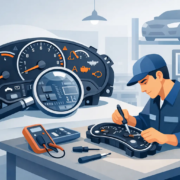
A postal repair service is straightforward. The customer or garage removes the instrument cluster, packs it securely and sends it to a specialist for testing and repair. Once testing confirms the fault, the specialist repairs the unit at component level and returns it ready to refit.
That sounds simple, but the value is in the diagnostic process. Power supply issues, communication problems or intermittent faults elsewhere in the vehicle can mimic a failed cluster. A proper specialist uses dedicated equipment and emulators to reproduce the failure, complete the repair and check the result accurately.
This is the key difference between guesswork and a proper repair. If the problem sits inside the cluster, a specialist can often resolve it without altering the vehicle’s stored mileage or coding. If the fault is not in the cluster, a good specialist should be able to identify that early, which saves time and unnecessary cost.
Common faults fixed through postal instrument cluster repair
Most drivers notice the fault before they know what the cluster actually does behind the scenes. It may begin with a dim display, dead gauges or random warning lights. In other vehicles, the LCD fades, pixels disappear or the speedometer stops reading correctly.
Some of the most common issues sent in for repair include failed or intermittent illumination, gauge malfunctions, complete cluster shutdown, pixel loss, blank LCD screens and warning lights that stay off or remain permanently on. Communication faults can also show up, especially in newer vehicles where the cluster forms part of the wider electronic network.
These symptoms can appear gradually or all at once. A dashboard that works when cold and fails once the cabin warms up often points to internal solder, component or board-level faults. A completely dead cluster may look terminal, but a technician can often diagnose and repair the underlying electronics.
Why repair is often better than replacement
Main dealer replacement has its place, but it is rarely the most economical route for an instrument cluster fault. New clusters can be expensive, and the final bill usually goes beyond the part itself. Coding, programming, immobiliser matching and vehicle downtime all add to the total.
Repairing the original unit keeps the vehicle’s own cluster in place. This usually preserves the existing mileage and coding, which removes a major concern for private owners and trade customers. It also avoids the risk of fitting an aftermarket or used unit with unknown history.
There is a practical benefit here too. A repaired original cluster is usually the fastest route back on the road. For garages, that means fewer bays tied up waiting for parts. For vehicle owners, it means less disruption and a clearer idea of timescales from the start.
Who uses a postal repair service?
Postal repair is not just for drivers who cannot get to a workshop. It suits several types of customer.
Private owners use it when they want a cost-effective fix without paying dealer prices. It is especially useful for cars, vans and motorhomes where dashboard faults make the vehicle difficult or unsafe to use.
Independent garages use postal repair when a cluster fault sits outside general workshop electronics work. Instead of outsourcing blindly or replacing parts on trial, they can send the unit to a specialist and get a confirmed repair.
Dealerships and trade customers use it for the same reason – speed, consistency and reduced replacement cost. Even larger operations gain nothing by replacing an expensive cluster when a specialist can repair and return the original quickly.
What to check before sending a cluster away
Before arranging postal instrument cluster repair, it helps to confirm the basics. A flat battery, blown fuse, poor earth or vehicle-side wiring fault can mimic a failed cluster. If the unit receives no power, complete those checks before removing and posting it. Otherwise, the process may only add delay.
For garages and technicians, this means verifying feeds, grounds and network communication first. For private owners, it usually means describing the fault as clearly as possible when booking. Intermittent problems, warning messages, total failure, dead needles or dim screens all help build a clearer picture before testing starts.
Also check whether the vehicle remains safe to drive without the cluster in place. In many cases, leave the vehicle off the road until you refit the unit. This matters especially when the fault affects speed, warning lights or critical driver information.
Turnaround matters as much as price
A low repair price is not much use if the vehicle is off the road for a week. That is why turnaround is such a big part of the decision.
A specialist should process most common cluster faults quickly. Depending on the unit and fault, the team can often complete the work on the day it arrives or by the next working day. That makes a real difference for workshops managing customer bookings and for owners who rely on the vehicle daily.
The other point to look at is what the quoted price includes. Transparent pricing with VAT included is easier to work with than an attractive headline number followed by testing charges, hidden extras or uncertain warranty terms. A proper repair service should be clear about cost, likely turnaround and what happens if the unit turns out not to be repairable.
Why warranty and originality retention matter
An instrument cluster is a critical electronic module. It is not just a display panel. It communicates with the rest of the vehicle and presents information the driver depends on. Because of that, repair quality matters far more than a quick cosmetic fix.
A meaningful warranty confirms that the specialist completed the repair properly and tested the unit before return. For vehicle owners, that reduces the risk of paying twice. For garages, it means fewer comebacks and better confidence when handing the vehicle back to the customer.
Originality retention is just as important. Keeping the factory-fitted cluster preserves the vehicle’s original configuration and avoids adapting it around a replacement part. This matters particularly on newer vehicles and models that tie coding and stored data closely to the original unit.
Choosing the right postal instrument cluster repair specialist
Not every electronics repair service has the equipment or automotive experience to handle modern dashboards properly. The right specialist should understand make-specific and model-specific faults, not just generic circuit board repairs. Audi, Ford, Fiat, Alfa Romeo and Aston Martin clusters can all fail in different ways, and correct diagnosis depends on experience with those patterns.
Look for a service that deals specifically with instrument clusters, speedometers, displays and dashboard electronics rather than general consumer electronics. The ability to test with specialist equipment, confirm known failure points and return the unit promptly is what separates a proper automotive repair specialist from a general repair bench.
Cartronix is one example of that specialist approach, offering UK-wide postal repairs alongside workshop appointments, model-specific diagnostics and repairs that preserve the original unit rather than pushing unnecessary dealer replacement.
If your dashboard has started failing, the best time to act is before the fault becomes total. A dim display or intermittent gauge may seem manageable for now, but these issues rarely improve on their own. A prompt repair of the original cluster usually avoids higher costs, longer downtime and unnecessary frustration later.











Trackbacks & Pingbacks
[…] best option depends on the vehicle and how quickly it is needed. A postal repair is practical for customers and garages anywhere in the UK, particularly where the cluster can be […]
Comments are closed.