Why Is My Dashboard Display Flickering in My Car?
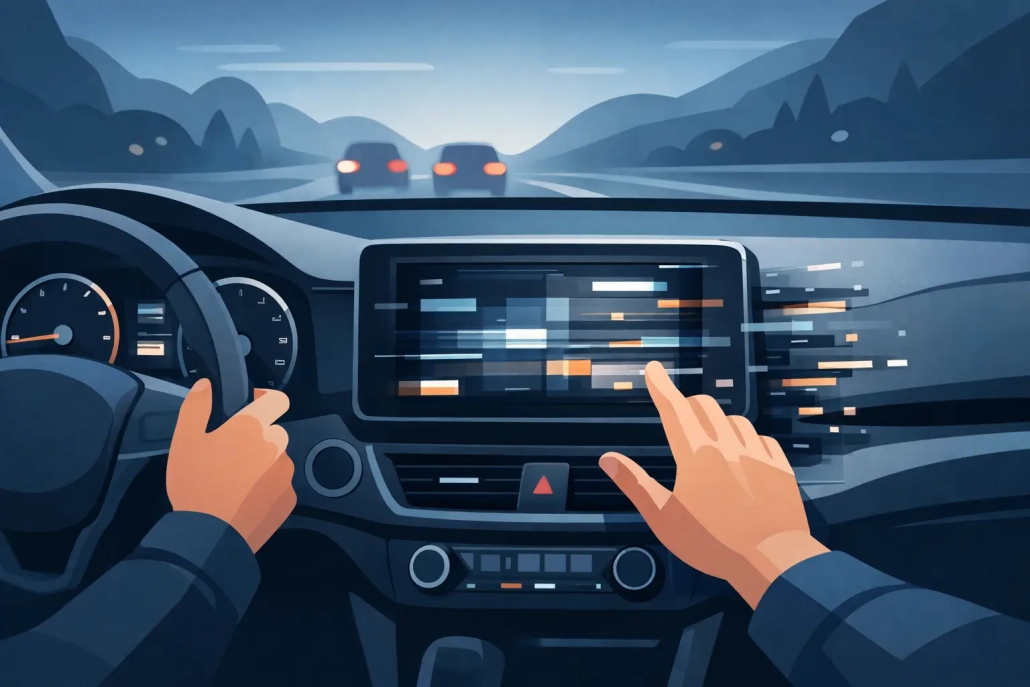
A dashboard display that flashes, fades or cuts in and out is more than an annoyance. If you are asking, why is my dashboard display flickering, start with the electrical supply and the cluster itself. A weak battery connection can cause the fault, but so can failing electronics inside the instrument cluster. The difference matters, particularly if warning lights, the speedometer, fuel gauge or mileage display are affected at the same time.
Why is my dashboard display flickering?
Most flickering dashboard displays come down to an unstable power supply, a poor electrical connection or an internal cluster fault. The pattern of the fault gives useful clues. A display that flickers only while starting may point towards battery voltage. Heat and vibration offer useful clues. A fault that worsens as the cabin warms often points to a failing cluster connection or component.
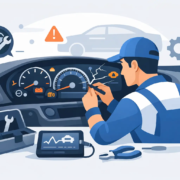
Modern instrument clusters are electronic control units, not simply a collection of bulbs and gauges. Behind the fascia are circuit boards, soldered connections, display drivers, voltage regulators and communications circuitry. A fault in any of these areas can leave the display dim, intermittent or completely blank.
Low battery voltage or charging faults
Start with the battery, especially if the display flickers during cranking or just after the engine starts. Starting a vehicle places a heavy load on the battery. If voltage drops too far, the cluster can reset, the LCD may flicker and several warning lights can briefly appear.
The alternator and its wiring also need consideration. The alternator can also cause flickering. Overcharging, undercharging or uneven output can disturb dashboard illumination and other vehicle electronics. Look for wider electrical symptoms too. Slow windows, a battery warning light or headlights that change with engine speed point beyond the cluster.
A basic battery and charging-system test is usually quick for a garage to carry out. Do not assume that a battery is healthy simply because the engine still starts. It can have enough power for starting while still dropping voltage under load.
Poor earths, connectors and wiring
A loose battery terminal, corroded earth point or poor connector can interrupt the power or signal reaching the instrument cluster. Moisture, vibration and age all damage dashboard electronics over time. Vehicles affected by windscreen leaks or previous dashboard work deserve particular attention.
The fault may be intermittent at first. For example, the display may work on a cold morning. It may then flicker over rough roads or as the cabin warms. Check the radio, heater controls and interior lights. Similar faults in those systems make a wiring or earth issue more likely.
However, a flickering display with otherwise normal vehicle electrics should not automatically be blamed on the wiring. Internal cluster connections can produce exactly the same symptoms.
Failing LCD, pixel display or backlight
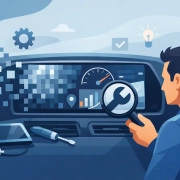
Many dashboards use LCD panels or dot-matrix displays for mileage, trip information, clock settings and warning messages. Over time, these displays can suffer pixel loss, fading, flashing or lines across the screen. In some models, the screen itself is sound but the ribbon connection or display driver has deteriorated.
Backlight faults are another common issue. The information may still be present, but only visible in certain light or when viewed from an angle. A failing backlight can look like a flickering display, particularly at night when the dash illumination is turned up.
Older modern vehicles often develop this fault. Later cars can suffer too when heat cycles and ageing damage the display circuit. Replacing a complete cluster is rarely the only answer.
When dashboard display flickering points to the cluster
Internal electronics become the leading suspect when the dashboard alone flickers while the engine runs. Common causes include cracked solder joints, failing capacitors, worn display connections and voltage-regulation faults on the circuit board.
These faults can be temperature-sensitive. A cluster may flicker for ten minutes, then settle down once warm. Or it may work perfectly after a cold start but fail once the cabin heats up. Tapping the dash may restore it briefly. However, that does not repair the underlying issue.
Some vehicles develop further symptoms as the fault progresses. Watch for other cluster symptoms. Gauges may drop to zero, warning lights may dim and the mileage display may disappear. At this point, proper bench testing is the most reliable way to confirm the fault.
Checks to make before booking a dashboard repair
Start with the simple checks, but avoid dismantling the instrument panel unless you have the right experience. Modern dashboards contain sensitive trim, airbag components and coded electronics.
First, consider when the flickering occurs. Does it happen only on start-up, over bumps, with headlights on, after rain, or once the vehicle is warm? Make a note of any warning messages and whether the gauges continue to work. Record a short video of the fault. Intermittent problems may disappear before the vehicle reaches a workshop.
Next, check for obvious battery-terminal corrosion or loose connections. Arrange a charging-system test first if the battery warning light stays on or wider electrical issues appear. A diagnostic scan may reveal low-voltage codes or communication errors. However, codes alone do not prove that the cluster has failed.
Choose a specialist instrument cluster assessment when the display has dead pixels, dim sections or persistent flicker. This route also suits repeated information loss when the rest of the car works normally.
When it is safe to keep driving – and when it is not
A brief flicker during a difficult cold start may not stop you driving. Investigate it if the fault becomes regular. The risk increases when you cannot reliably see your speed, fuel level, warning lights or engine temperature.
Stop and assess the vehicle if a red warning or battery light remains on. Do the same if you cannot read the temperature gauge or speedometer. These are not faults to ignore. A flickering display can hide an overheating, charging or oil-pressure warning. These alerts need immediate attention.
Garages should separate an intermittent cluster fault from a CAN or power-supply issue before removing the unit. A specialist can test many clusters with dedicated emulators. This equipment recreates vehicle signals and finds faults that a general scan tool may miss.
Repairing the original cluster versus replacing it
Main dealer replacement can cost significantly more. A new cluster may also need coding, configuration and mileage programming. Depending on the vehicle, it can also involve delays while the replacement unit is ordered.
Repairing the original instrument cluster is often the better option when the fault is internal. The original mileage, coding and vehicle identity remain with the unit, avoiding unnecessary programming complications. It is also a more economical approach where the display, gauges and warning-light functions can be restored at component level.
The right repair depends on the fault. A battery or vehicle-wiring problem must be corrected on the vehicle. A failed LCD, display driver, power circuit or solder connection within the cluster needs specialist electronic repair. Treating the wrong cause can waste time and money.
Cartronix provides instrument cluster repairs for common display, pixel, gauge and warning-light faults. Postal and while-you-wait options cover suitable units. Technicians repair original units instead of routinely replacing them. The repair includes a lifetime warranty for as long as you own the vehicle.
If your dashboard has begun flickering, act while the fault is still intermittent. Record when the flicker happens and complete a basic voltage check. Persistent dashboard display flickering deserves a proper diagnosis. These details help locate the fault in the vehicle supply or the cluster.