
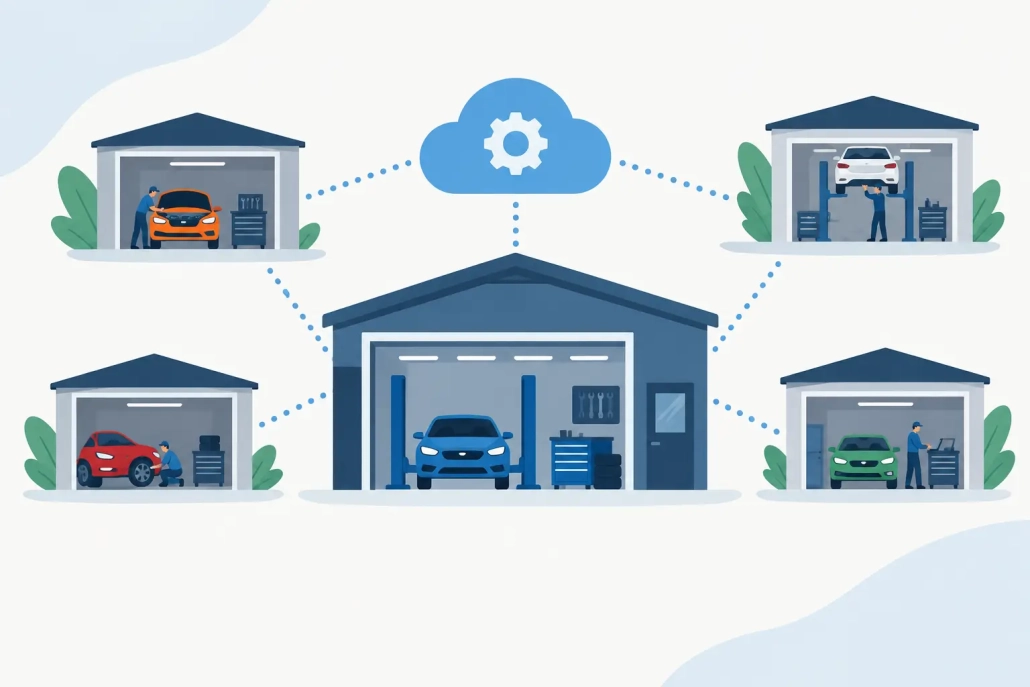
Garage Outsourcing Cluster Repairs Explained
A vehicle arrives with an intermittent speedometer, blank LCD display or warning lights that no longer illuminate. The mechanical side is sound, but the instrument panel is not. For many workshops, garage outsourcing cluster repairs is the practical answer: send the original unit to a specialist, repair the fault properly and return the car without the cost, coding issues and delay that can come with a replacement dashboard.
Instrument clusters are no longer simple gauge assemblies. Modern units combine microprocessors, circuit boards, stepper motors, displays, vehicle network communication and stored vehicle data. A general garage can identify the symptom, but repairing the electronics at component level requires specialist test equipment, known fault patterns and controlled bench diagnostics.
Why garages outsource instrument cluster faults
A cluster fault can look like several different problems. A customer may report that the speedometer has stopped working, the display has missing pixels, the fuel gauge is inaccurate, or the whole dashboard goes dark after starting. In other cases, the vehicle may show communication errors, warning lights may remain permanently on, or the needles may behave erratically.
Replacing the cluster through a main dealer is not always the best route. A new unit can be expensive, may need ordering, and will usually need programming to the vehicle. Mileage, immobiliser information and configuration must also be considered. If the original unit is repairable, a specialist repair preserves the unit already matched to the vehicle.
For an independent garage, outsourcing also keeps the job moving without investing in niche equipment for faults that appear only occasionally. The workshop stays responsible for the customer relationship and vehicle diagnosis, while the electronics repair is handled by a business equipped to test and repair the unit itself.
Garage outsourcing cluster repairs: what can be repaired?
The right repair depends on the make, model, year and exact symptoms. Many faults are specific to a particular cluster design, which is why a clear fault description and correct vehicle details matter when booking work.
Common repairable issues include failed or flickering LCD screens, pixel loss, dim illumination, faulty gauges, inoperative speedometers, failed warning lights, complete loss of power and intermittent cluster operation. Some units also develop internal connection faults that create warning messages or communication problems even though the rest of the vehicle has been checked.
A proper specialist assessment goes beyond replacing a visible component. The unit should be tested under controlled conditions, including simulated vehicle signals where required, so the actual fault can be confirmed. This helps avoid returning a cluster that appears functional on the bench but fails once fitted back to the car.
Not every dashboard fault originates inside the cluster. A power supply issue, damaged wiring, poor earth, failed sensor or CAN network fault can produce similar symptoms. That is why the garage should complete sensible vehicle-side checks before removing the unit. Confirm battery condition, feeds, earths, relevant fuses and fault codes. If there is evidence of an external cause, resolve that first.
The benefits of repairing the original unit
Originality matters more than many drivers realise. The instrument cluster often contains mileage data and vehicle-specific coding. Repairing the original unit can avoid the complications of fitting a used cluster from another vehicle, where mileage may be incorrect and configuration may not match.
It also gives the customer a clearer proposition. Rather than paying for a replacement unit plus coding, they are paying to correct the fault in the part already fitted to their vehicle. This is usually more economical and can reduce downtime significantly.
For trade customers, a repair service can protect workshop margins without compromising the standard of the job. The key is to use a specialist that understands the particular unit, provides a defined turnaround and stands behind the repair. Cartronix repairs instrument clusters from 1996 onwards across a wide range of vehicles, with postal repairs nationwide and workshop appointments available for suitable jobs.
How to prepare a cluster for specialist repair
Good information prevents delays. Before removing the unit, record the vehicle registration, make, model, year, engine where relevant, and the exact fault. “Dashboard not working” is useful, but “speedometer and fuel gauge dead, backlighting still works, fault intermittent when warm” is much better.
Where possible, take photographs or a short video of the fault while the cluster is installed. Record any diagnostic trouble codes and state whether the vehicle starts and drives normally. If a warning message appears, write it down exactly. These details help distinguish a cluster failure from a vehicle communication or supply issue.
Remove the cluster carefully and package it securely. Use anti-static protection if available, protect the screen and connectors, and ensure the unit cannot move inside the box. Do not send loose screws, trim pieces or unrelated parts unless specifically requested. The repairer needs the cluster, the fault details and reliable contact information – not a box full of avoidable risks.
Postal repair or while-you-wait appointment?
The best option depends on the vehicle and the urgency of the job. Postal repair is often ideal for garages outside the local area or for units removed from a vehicle that can remain off the road briefly. It gives access to specialist repair without sending the customer to a dealer or arranging a long-distance journey.
A while-you-wait appointment can suit local customers when the vehicle is driveable and the repair is available on that basis. It is especially useful where removing and refitting the cluster would otherwise create extra labour. Always check the expected turnaround for the specific unit before promising a collection time to the customer.
Same-day or next-working-day repair can be possible for many common faults, but it should never be assumed. Some units need deeper diagnosis, parts availability can vary, and severe previous damage or attempted repairs may affect the process. A realistic timescale is better for the customer and better for the workshop.
Choosing a specialist partner for your workshop
Fast turnaround matters, but it should not be the only decision point. A cheap repair that fails shortly afterwards creates a second removal, a frustrated customer and a loss of confidence in the garage. Look for a provider that can explain what it repairs, which faults are covered and how the unit is tested before return.
The strongest repair option will normally offer specialist diagnostic capability, clear VAT-inclusive pricing, secure handling and a meaningful warranty. A lifetime warranty tied to vehicle ownership is particularly useful because it gives the driver confidence without leaving the garage to carry the risk of an uncertain repair.
It is also worth asking how the repairer handles no-fault-found units and faults outside the cluster. Honest diagnosis is valuable. If the cluster tests correctly, the garage can return to the vehicle-side investigation with better evidence instead of fitting unnecessary parts.
Set the customer’s expectations from the start
Most customers are relieved to hear that their original dashboard may be repairable. Explain that the aim is to retain their existing mileage and coding while fixing the electronic fault, rather than replacing the whole unit. Be clear that vehicle-side checks are necessary and that an intermittent issue may need inspection before a firm diagnosis can be given.
Avoid promising that every cluster can be repaired or that every job will be completed the same day. The professional message is simpler: the original unit will be assessed by a specialist, common internal faults can often be repaired economically, and the vehicle will not be pushed towards dealer replacement unless that is genuinely required.
When a dashboard problem sits outside a garage’s normal mechanical work, outsourcing is not passing the problem on. It is using the right expertise to return a safe, correctly functioning vehicle with less cost and disruption for the customer.


