
Dealer Replacement Versus Specialist Repair
Dealer replacement versus specialist repair is one of the first decisions owners face when an instrument cluster starts to fail. A main dealer may quote for a complete new dashboard unit, but many faults only need the original cluster repaired by a specialist.
That difference matters. A faulty speedometer, dim LCD, dead gauges or warning lights that stop working do not always mean the whole cluster has reached the end of its life. Many faults sit in known display circuits, power sections, solder joints or gauge components. A repair bench can test those areas directly.
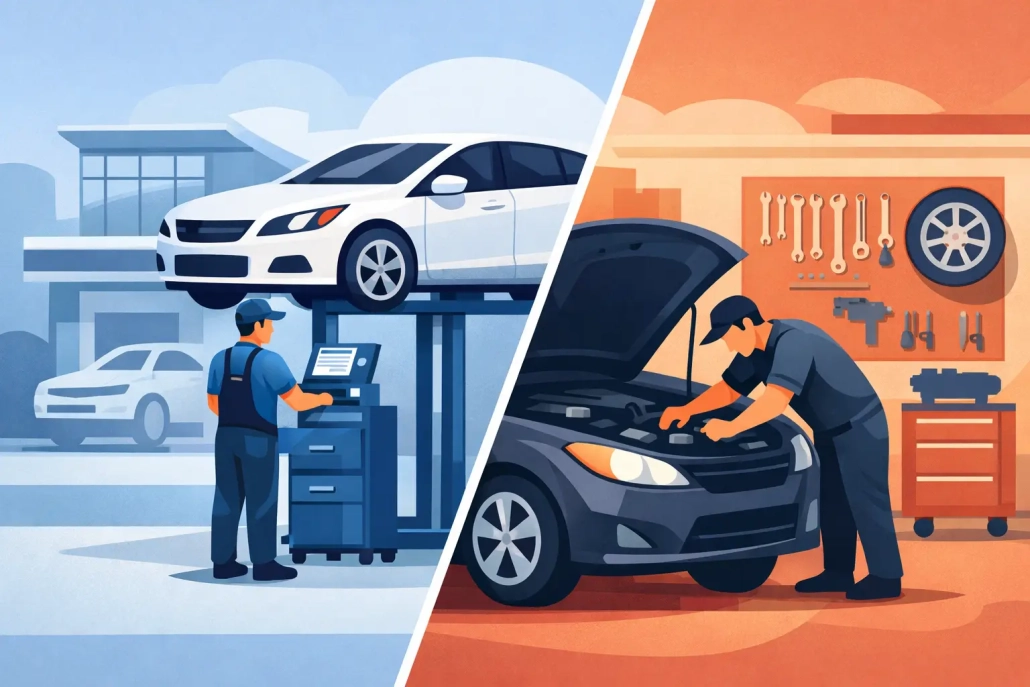
Dealer replacement versus specialist repair: what changes?
A dealer replacement usually follows a parts-led route. The workshop identifies the faulty cluster, orders a new or exchange unit, books the vehicle back in and codes the replacement to the car. That process can work, but it often costs more and takes longer than customers expect.
Specialist repair starts with the original unit. The technician diagnoses the cluster at component level, repairs the failed section and bench-tests the unit before return. This approach keeps the original housing, software family, mileage data and vehicle configuration in place where the unit allows it.
Modern clusters do far more than show speed and fuel level. They link into immobiliser systems, CAN communication, vehicle options and recorded mileage. Because of that, replacing the unit can add coding, synchronisation and compatibility steps that a repair may avoid.
Dealer replacement versus specialist repair costs
Main dealers often choose replacement because it fits the manufacturer process. They can order parts, follow factory routines and code the new unit with dealer equipment. That route suits the dealer network, but it does not always give the customer the best value.
A replacement cluster charges you for the whole assembly. If the real fault is a failed backlight circuit, missing pixels, a gauge motor issue or a common display fault, a full replacement can be disproportionate. Older vehicles, imported models and less common specifications can also suffer delays while the correct part is sourced.
There is also the issue of originality. Your existing cluster already belongs to the vehicle. It has the right casing, connectors, configuration and, in many cases, stored data. Repairing it avoids many of the complications that can come with fitting another module.
Dealer replacement versus specialist repair: when repair makes sense
Specialist repair works best when the fault is known, repeatable and testable. Common examples include missing pixels, complete LCD failure, flickering illumination, intermittent needles, no ignition response, loss of communication and full cluster shutdown.
Drivers usually notice the cost saving first. You pay to fix the failed section, not to replace the entire assembly. Garages also benefit because they can keep the customer job moving without tying up a ramp or sending the customer back to the dealer.
Proper test equipment matters here. A specialist can power the unit on the bench, simulate faults and confirm whether the repair has restored function before the cluster returns to the vehicle. Guesswork creates delays. Bench testing reduces them.
Dealer replacement versus specialist repair for mileage and coding
The biggest practical difference often appears around mileage, coding and vehicle identity. With replacement, the new cluster may need immobiliser pairing, configuration, adaptation and mileage handling. The exact work depends on the make and model.
With repair, the original cluster normally stays with the vehicle. That helps preserve the original coding and recorded mileage in the same unit. For many owners and trade customers, this makes the job more predictable.
You can also cross-check recorded mileage against official records, such as the GOV.UK MOT history service, before and after repair work. That gives owners, buyers and garages another reference point when dashboard faults involve display or mileage concerns.
Dealer replacement versus specialist repair downtime and risk
Cost matters, but downtime matters too. A failed dashboard can take a private car off the road. It can also stop a van, motorhome or trade vehicle earning money.
Replacement can drag on because the part must arrive and the vehicle must return for coding. Specialist repair can move faster because the same unit comes back after testing. Postal repair and while-you-wait appointments can reduce delays further when the fault is common.
Some customers assume a new unit must be safer. That is not always true. The safer route depends on the fault, the vehicle and the provider. A diagnosed repair with clear warranty cover can carry less risk than introducing a replacement module that needs coding.
When replacement still has a place
Repair is not the answer for every failed cluster. Severe liquid damage, fire damage, heavy PCB destruction or previous failed repair attempts can make replacement more sensible. Some units also have multiple faults that push the repair beyond economical value.
The cluster may not be the root cause either. Wiring faults, low system voltage, gateway issues and other module problems can mimic a dashboard failure. A good repair decision starts with diagnosis, not assumptions.
A reliable specialist should say when repair makes sense and when it does not. That honesty protects the customer and the workshop.
Questions to ask before choosing
Before you approve a full replacement, ask what has actually failed. Has anyone confirmed the fault sits inside the cluster? Will the replacement need coding? How long will the vehicle stay off the road? What happens to mileage data? What warranty comes with each route?
Those questions make the comparison clearer. They also help you avoid comparing a cheap headline repair with a replacement quote that later adds coding, parts delays or extra diagnostic time.
For many UK motorists and garages, the practical answer is simple. If the original instrument cluster can be tested, repaired and returned with warranty, specialist repair is often the better first option.
Choosing the right repair route
Put simply, replacement buys another unit. Repair restores the unit you already have. Replacement has its place when the original cluster is beyond recovery, but it should not be the automatic first step for every dashboard fault.
Cartronix focuses on repairing original instrument clusters, LCD displays, speedometers and dashboard faults where repair is viable. Related guides on repairing the original cluster, instrument cluster repair cost and dashboard repair turnaround time can help you compare the options before booking work.
If you are facing a failed dashboard, challenge the idea that new automatically means better. The right specialist repair can be cleaner, quicker and more economical than paying for a complete unit you may not need.




